Untangling Support and Pricing Interdependencies in High-Volume Exchange Systems for Performing Arts Venues
Eden Griffin · Sep 26, 2026
Untangling Support and Pricing Interdependencies in High-Volume Exchange Systems for Performing Arts Venues
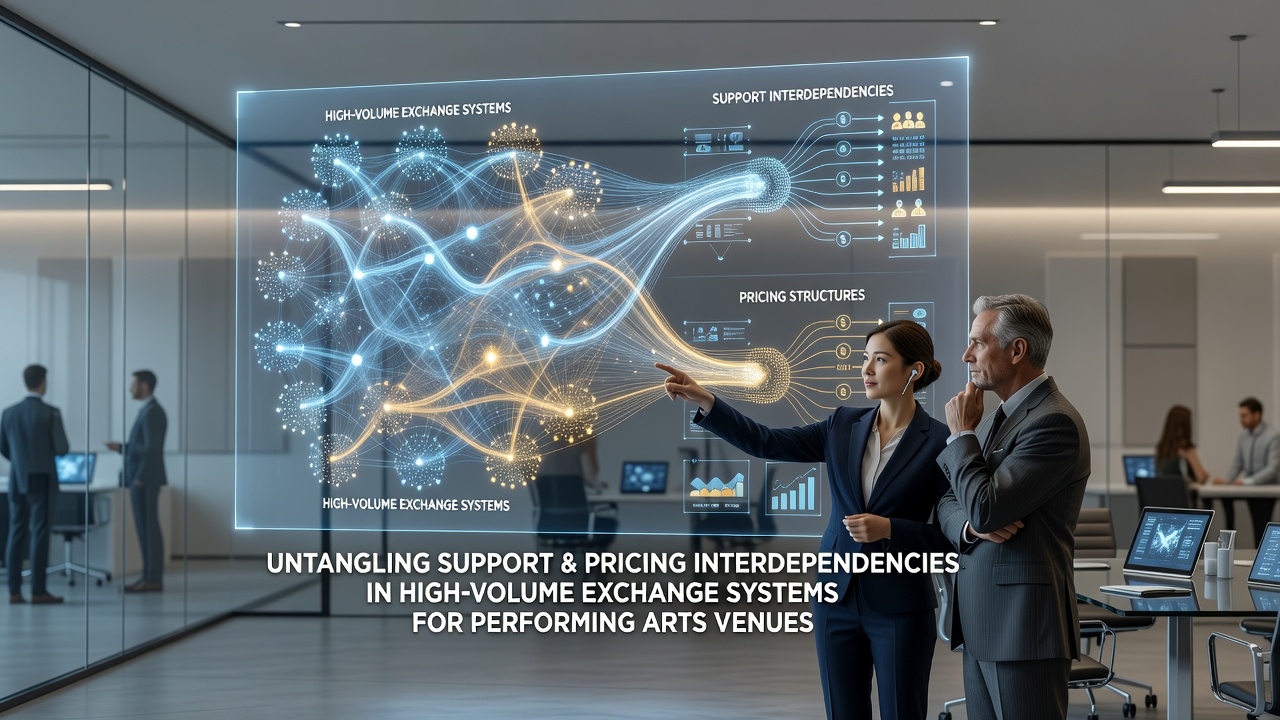
Performing arts venues process thousands of transactions during peak seasons, and the systems handling these exchanges must balance responsive support services with flexible pricing models that adapt to demand fluctuations. Observers note that support channels and pricing layers operate as interconnected components where delays in one area directly influence adjustments in the other.
Core Components of Exchange Systems in Venues
High-volume exchange systems in theaters, concert halls, and opera houses manage ticket sales, subscriptions, and merchandise through centralized platforms that integrate payment gateways with inventory controls. Data from industry reports indicates these systems handle peak loads exceeding 50,000 transactions per hour during major events, requiring real-time synchronization between customer queries and rate adjustments. Researchers have documented that venues rely on automated tools to route support requests while pricing algorithms respond to sales velocity.
Support structures typically include dedicated help desks, API-linked chat functions, and escalation protocols that connect directly to billing modules. Pricing interdependencies emerge because changes in support response times often trigger modifications to fee structures, such as adding expedited processing surcharges during high-demand periods. Experts have observed this linkage in multiple venue networks where unresolved ticket issues lead to automatic price recalibrations to cover operational overhead.
How Support Influences Pricing Dynamics
Support teams at performing arts organizations receive inquiries ranging from payment failures to seat assignment corrections, and each interaction feeds data into pricing engines that calculate variable rates. Studies show that venues with integrated support logs achieve more accurate dynamic pricing because historical query patterns reveal demand spikes that justify tiered fees. When support volume rises, systems often apply incremental adjustments to base rates to maintain revenue stability without manual intervention.
According to figures from cultural sector analyses, venues that link support metrics to pricing models report fewer revenue leaks during September 2026 event cycles, when subscription renewals overlap with single-ticket rushes. This integration allows algorithms to factor in average resolution times when setting premium tiers for last-minute purchases. Those who manage these systems note that longer support queues correlate with higher abandonment rates, prompting venues to introduce tiered pricing that includes priority assistance at elevated costs.
Pricing Models and Their Effect on Support Requirements
Dynamic pricing in performing arts venues adjusts ticket costs based on real-time sales data, yet these adjustments increase the complexity of support tasks because customers frequently question rate changes. Observers note that flexible rate structures demand expanded support documentation and training, as agents must explain variable fees tied to timing or seat location. Research indicates that venues employing multi-layered pricing see a measurable rise in support tickets related to billing transparency.
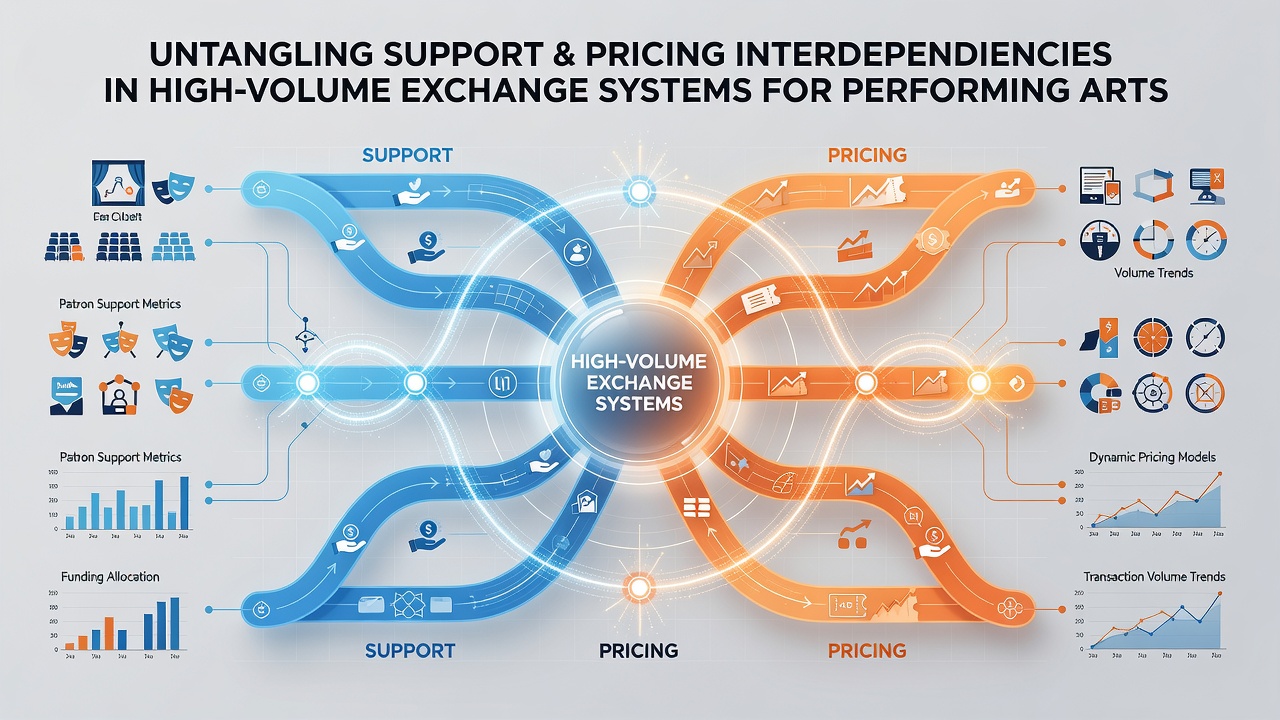
Fixed pricing models, by contrast, reduce certain query types but limit revenue optimization during sellouts. Data reveals that venues shifting toward hybrid models in recent years allocate additional resources to support infrastructure to handle the resulting increase in clarification requests. This shift creates measurable interdependencies where pricing updates necessitate parallel expansions in support capacity to prevent bottlenecks.
Integration Challenges Across Venue Networks
API connections between support platforms and pricing databases must maintain low latency to avoid cascading errors during high-volume periods. Experts have documented cases where mismatched data fields between these systems caused delayed price updates and prolonged support resolution times. Venues address these challenges through standardized protocols that map support outcomes directly to pricing variables.
One documented example involves a regional theater network that synchronized its ticketing API with support logs, resulting in automated fee adjustments based on average query resolution durations. Such configurations demonstrate how technical linkages reduce manual oversight while preserving operational consistency across multiple performance dates.
Regulatory and Operational Considerations
Government guidelines on consumer protection in digital transactions require clear disclosure of pricing changes that stem from support interactions. Sources such as the National Endowment for the Arts provide data on how venues in different regions align support practices with transparent pricing to meet compliance standards. Academic studies from cultural management programs further examine these alignments in European and North American contexts.
Operational teams must track these interdependencies through analytics dashboards that correlate support metrics with pricing outcomes. Figures from sector-wide reports show that venues maintaining detailed logs experience smoother adaptations when external factors like seasonal programming affect transaction volumes.
Conclusion
High-volume exchange systems in performing arts venues demonstrate clear linkages between support responsiveness and pricing adaptability, where each element shapes the performance of the other. Data continues to highlight how integrated approaches help venues manage transaction flows efficiently across varying event scales. Ongoing developments in API synchronization and support automation point toward further refinements in these interdependencies as venues prepare for future programming cycles.