Exploring Protocol Alignments Across Flexible Pricing Tiers in Automated Remittance Systems for Service-Based Organizations
Viktor Hughes · Oct 10, 2026
Exploring Protocol Alignments Across Flexible Pricing Tiers in Automated Remittance Systems for Service-Based Organizations
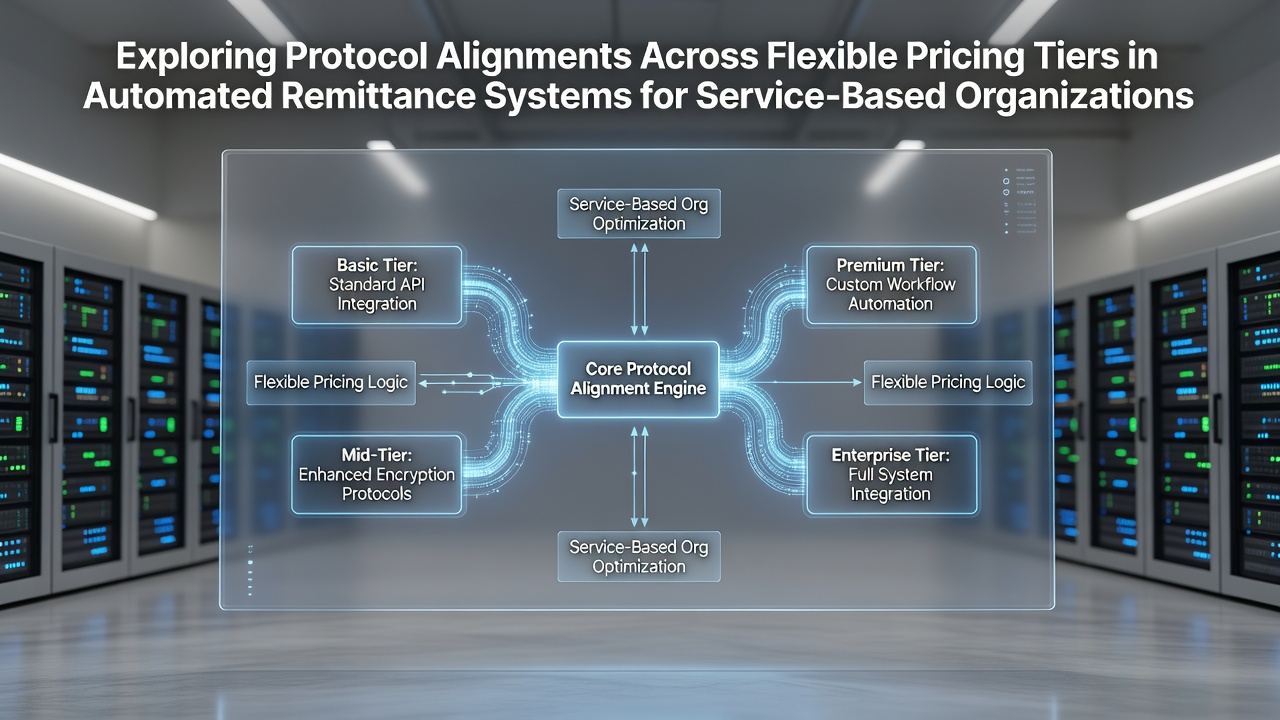
Service-based organizations such as hospitals, universities, and professional firms rely on automated remittance systems that integrate multiple payment protocols to handle recurring collections and disbursements. These systems align protocols like ISO 20022 messaging standards with tiered pricing models that adjust fees based on transaction volume and service level. Data from industry analyses indicate that such alignments reduce processing delays while supporting variable rate structures across different organizational scales.
Protocol compatibility becomes essential when organizations move between basic, intermediate, and premium pricing tiers. Basic tiers often utilize simpler RESTful API endpoints for low-volume transactions, whereas premium tiers incorporate additional security layers and real-time reconciliation features. Observers note that seamless alignment prevents data silos and maintains consistent reporting across all tiers without requiring separate infrastructure for each pricing level.
Core Components of Automated Remittance Protocols
Automated remittance protocols encompass standardized data formats, authentication methods, and settlement rules that enable machines to initiate and confirm transfers without manual intervention. Researchers have documented how protocols such as NACHA for ACH transfers and SWIFT for international movements operate within flexible pricing frameworks. In October 2026, updates to ISO 20022 adoption schedules across multiple regions continue to influence how service organizations configure their tiered systems to accommodate both domestic and cross-border flows.
Flexible pricing tiers typically segment costs according to transaction thresholds, frequency caps, and add-on services like priority support or enhanced reporting. Service organizations select tiers that match their operational patterns, and protocol alignment ensures that the chosen tier activates the appropriate technical capabilities automatically. Studies from financial technology research groups show that misalignment between protocol versions and pricing logic can trigger failed transactions or compliance flags, prompting organizations to implement middleware that maps one to the other dynamically.
Alignment Strategies Across Pricing Levels
Organizations achieve alignment through configuration layers that map protocol parameters directly to pricing rules. For instance, a mid-tier package might enable batch processing via SFTP uploads while restricting real-time API calls to maintain cost controls. Higher tiers unlock additional protocol options such as instant payment rails like RTP or SEPA Instant, paired with volume-based discounts. Those who manage these systems report that version control mechanisms and API gateways play a central role in keeping protocol behavior consistent as organizations upgrade or downgrade tiers throughout the fiscal year.
Evidence from sector-wide implementations reveals that educational institutions and healthcare providers frequently adjust tiers seasonally, requiring protocols to scale without service interruption. Middleware solutions handle the translation of pricing metadata into protocol instructions, ensuring that a shift from standard to premium pricing activates advanced features like automated retry logic or multi-currency support. According to findings published by the Bank for International Settlements, coordinated protocol updates across regions have improved interoperability for organizations operating under variable pricing arrangements.
Integration with Organizational Workflows
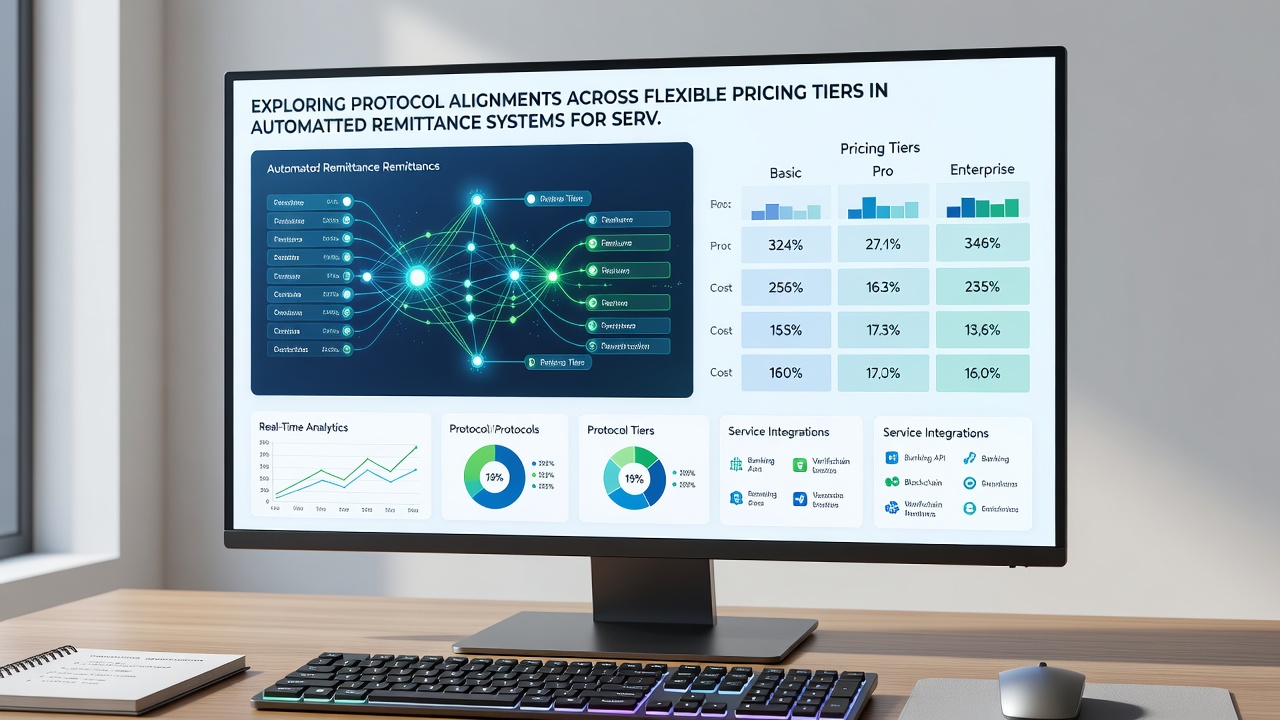
Service-based organizations embed these aligned systems into existing billing and accounting platforms through API connectors and event-driven triggers. When a pricing tier change occurs, the system propagates updated protocol settings to all connected endpoints, preserving transaction integrity. Data indicates that organizations using unified dashboards for both pricing management and protocol monitoring experience fewer reconciliation discrepancies compared with those maintaining separate tools.
Regulatory frameworks in various jurisdictions further shape these alignments. The Monetary Authority of Singapore has issued guidelines on payment system interoperability that encourage tiered service models to maintain consistent protocol standards. In parallel, the Australian Securities and Investments Commission monitors how automated remittance tools adapt to flexible pricing without compromising consumer protection requirements. Organizations reference these regional approaches when designing internal policies that link pricing tiers to protocol capabilities.
Operational Considerations and Data Patterns
Transaction logs from service organizations demonstrate that protocol alignment across tiers correlates with more predictable settlement times and reduced exception handling. Lower tiers may limit protocol features to batch overnight processing, while premium tiers enable continuous monitoring and instant notifications. Analysts tracking October 2026 metrics note steady growth in the adoption of hybrid protocol setups that allow organizations to test premium features on a limited basis before committing to higher pricing.
Service organizations also track key performance indicators such as successful transfer rates and fee efficiency across different protocol and pricing combinations. These metrics guide decisions on whether to maintain current tier alignments or migrate to alternative configurations. Research from academic institutions studying digital finance ecosystems highlights that organizations investing in standardized mapping layers between protocols and pricing engines achieve greater operational resilience during periods of regulatory or technological change.
Conclusion
Protocol alignments across flexible pricing tiers form a foundational element of automated remittance systems used by service-based organizations. These alignments enable consistent functionality as organizations adjust tiers to match evolving needs, supported by middleware, API gateways, and adherence to regional standards. Continued developments in messaging formats and settlement rails through 2026 reinforce the importance of maintaining technical compatibility between pricing structures and protocol requirements.