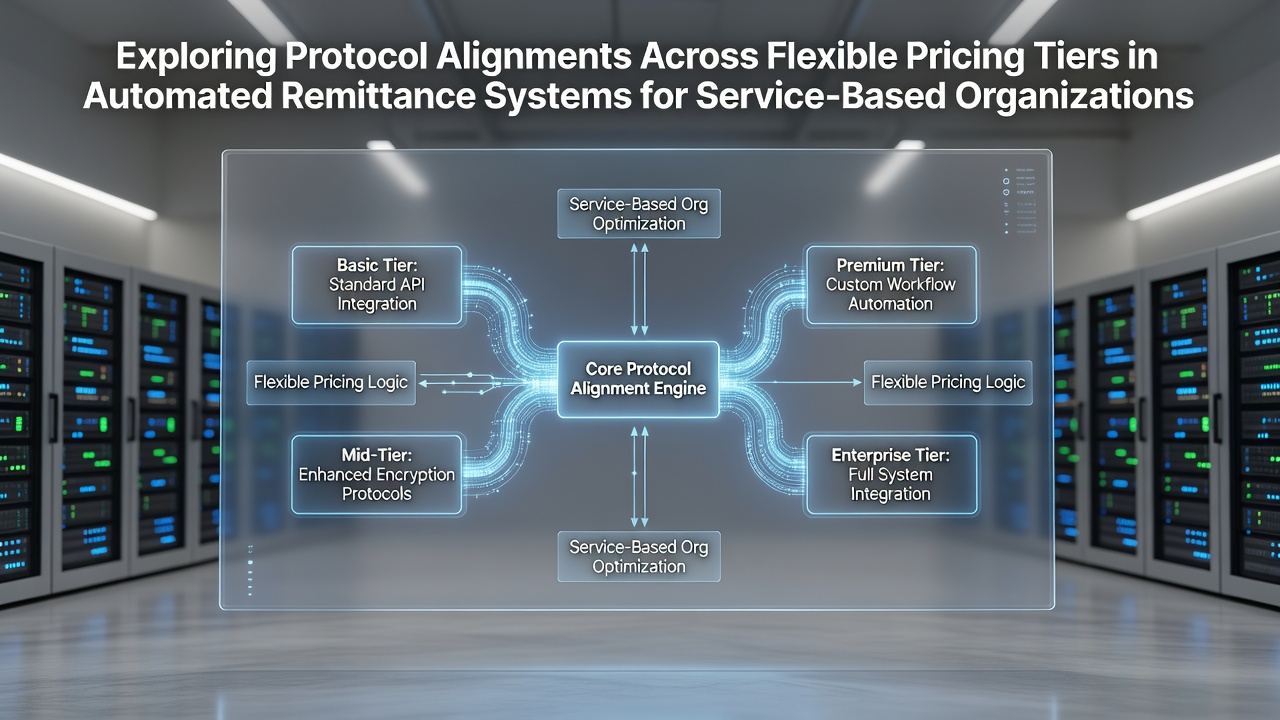
Service-based organizations such as hospitals, universities, and professional firms rely on automated remittance systems that integrate multiple payment …
Articles
Articles
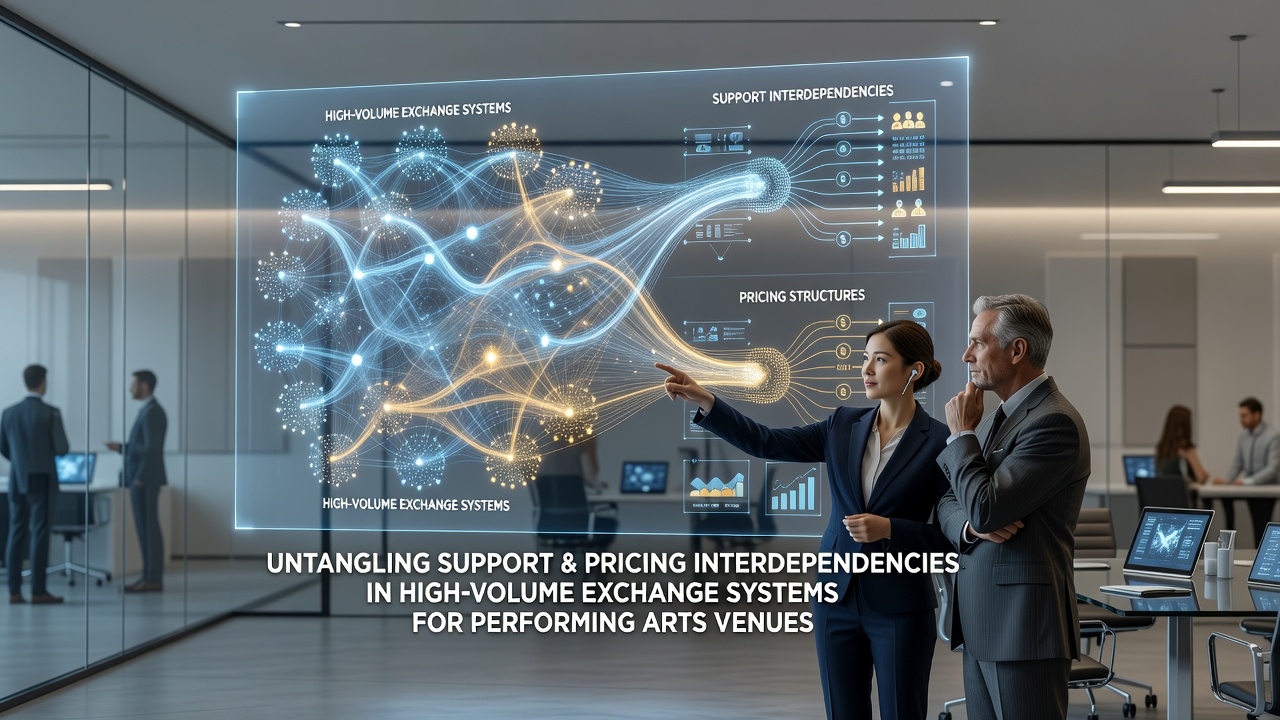
Performing arts venues process thousands of transactions during peak seasons, and the systems handling these exchanges must balance responsive support services …
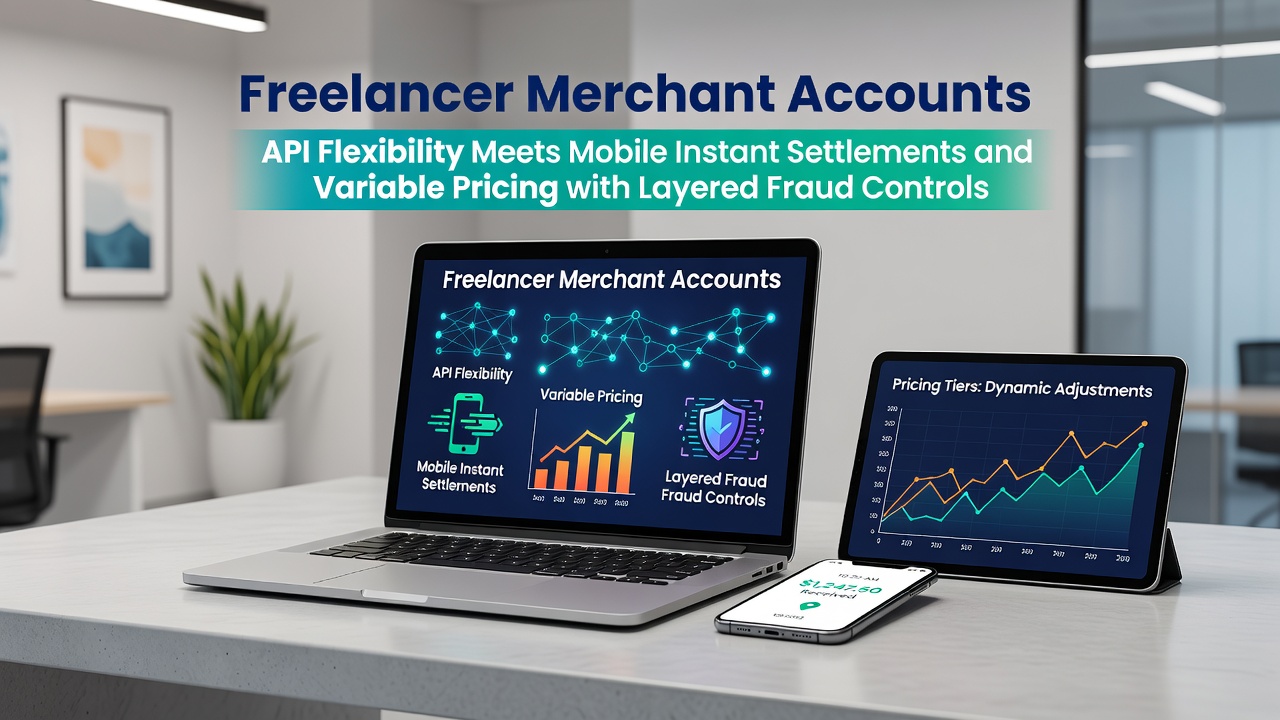
Freelancer merchant accounts have evolved to combine API-driven customization with mobile instant settlements, variable pricing models, and multi-layered fraud …
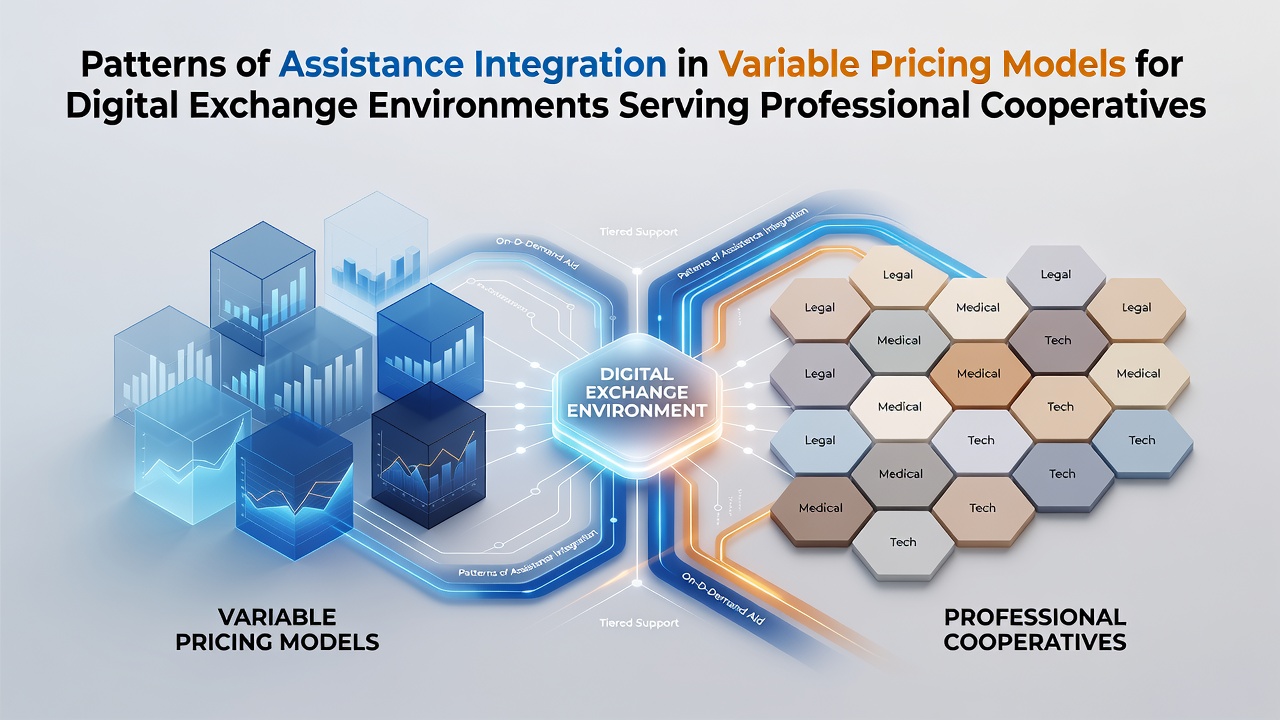
Professional cooperatives rely on digital exchange environments to facilitate member transactions, resource sharing, and service coordination, and variable …
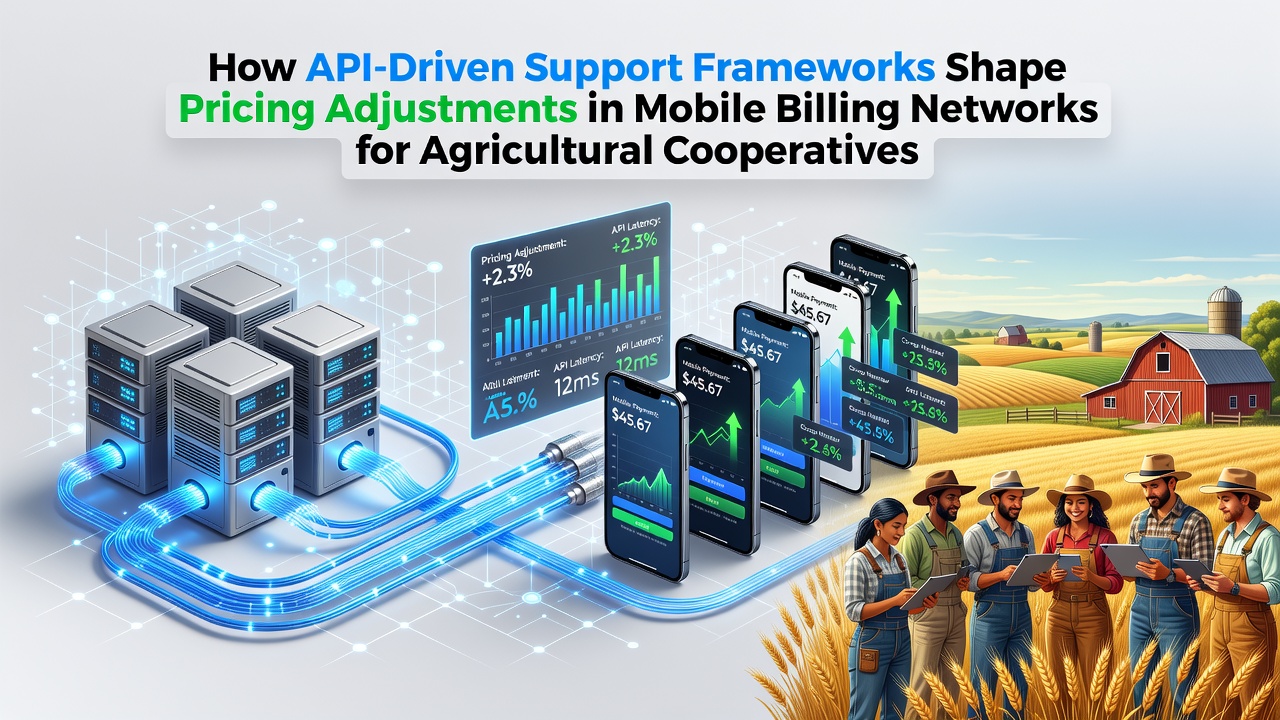
Data from agricultural technology deployments shows that API-driven support frameworks connect mobile billing networks directly to cooperative management …
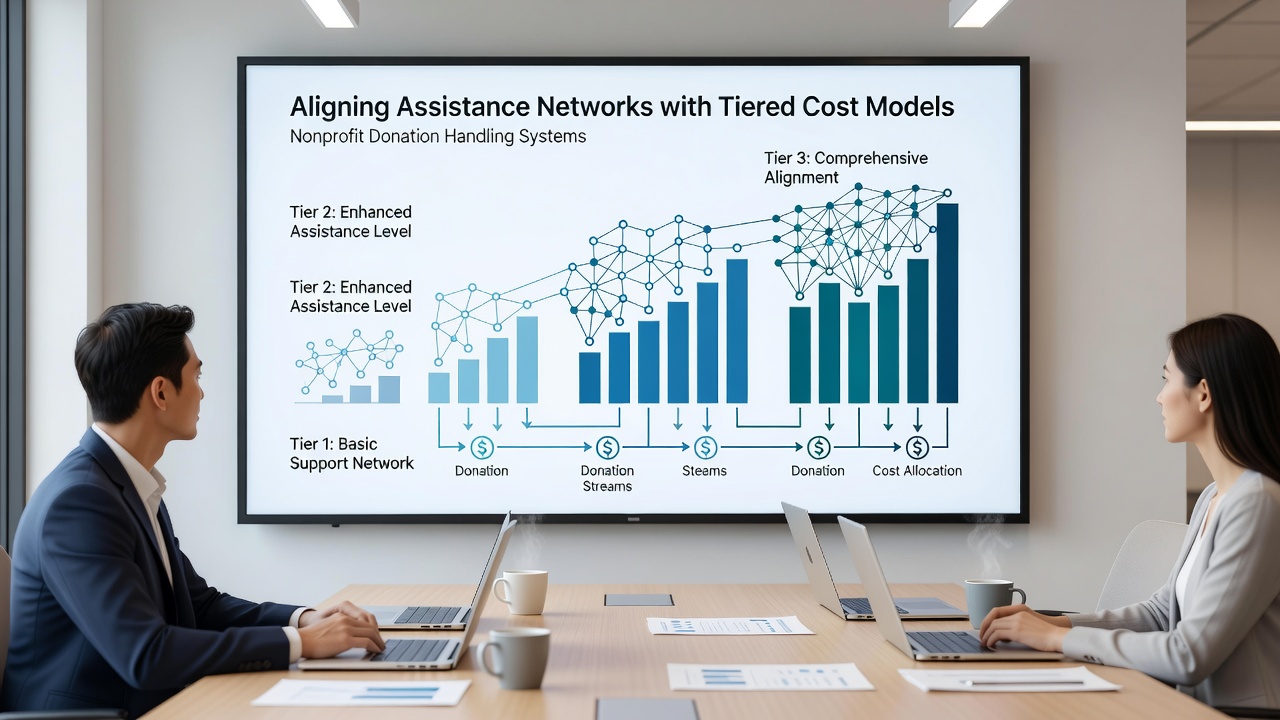
Nonprofit organizations manage donation inflows through payment platforms that apply tiered cost structures based on transaction volume, donation size, and …
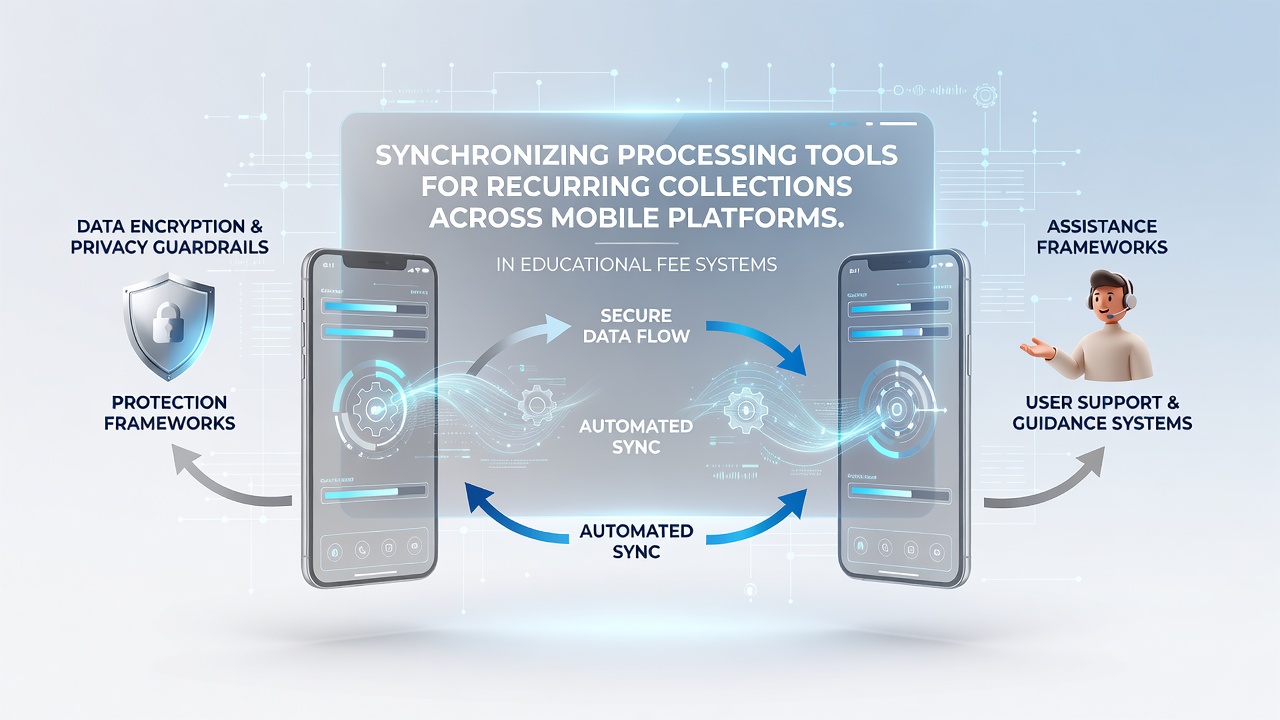
Schools and universities handle recurring fee collections through tools that connect mobile platforms while maintaining consistent data flows between Android …
Performing arts venues handle revenue streams that spike during limited performance windows, which creates distinct demands on payment infrastructure compared …
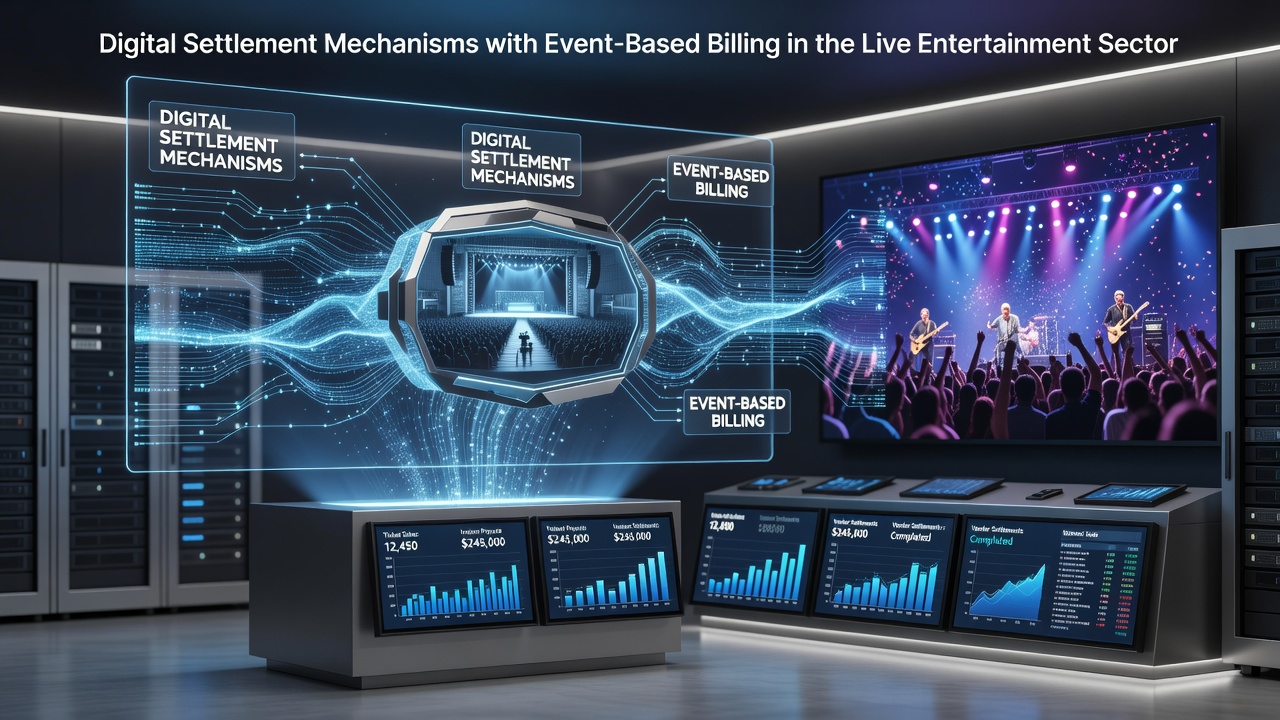
Live entertainment sectors have adopted digital settlement mechanisms that pair directly with event-based billing structures, allowing venues and promoters to …
Payment processing has shifted toward systems that prioritize speed and reliability, with developers focusing on architectures that handle high volumes without …
Independent creative service providers often manage client projects through mobile platforms where API connections handle both billing adjustments and multiple …
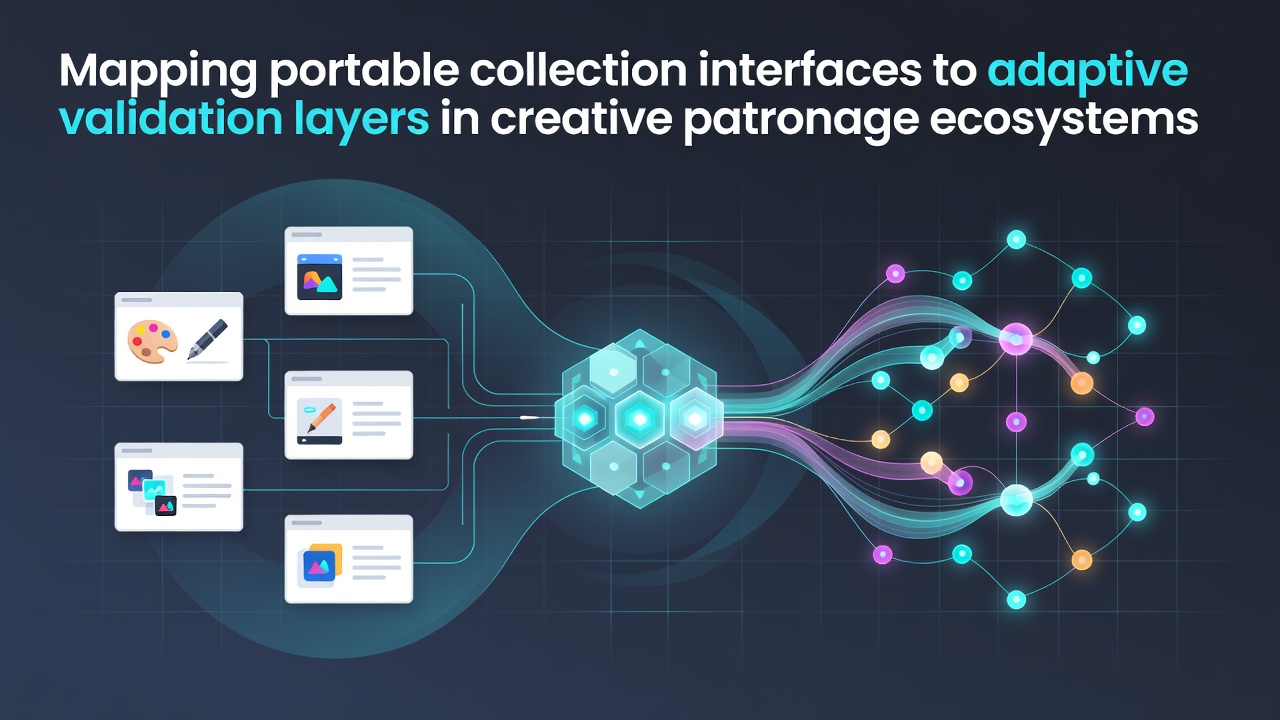
Creative patronage ecosystems rely on systems that connect contributors with artists and makers through digital channels, and portable collection interfaces …
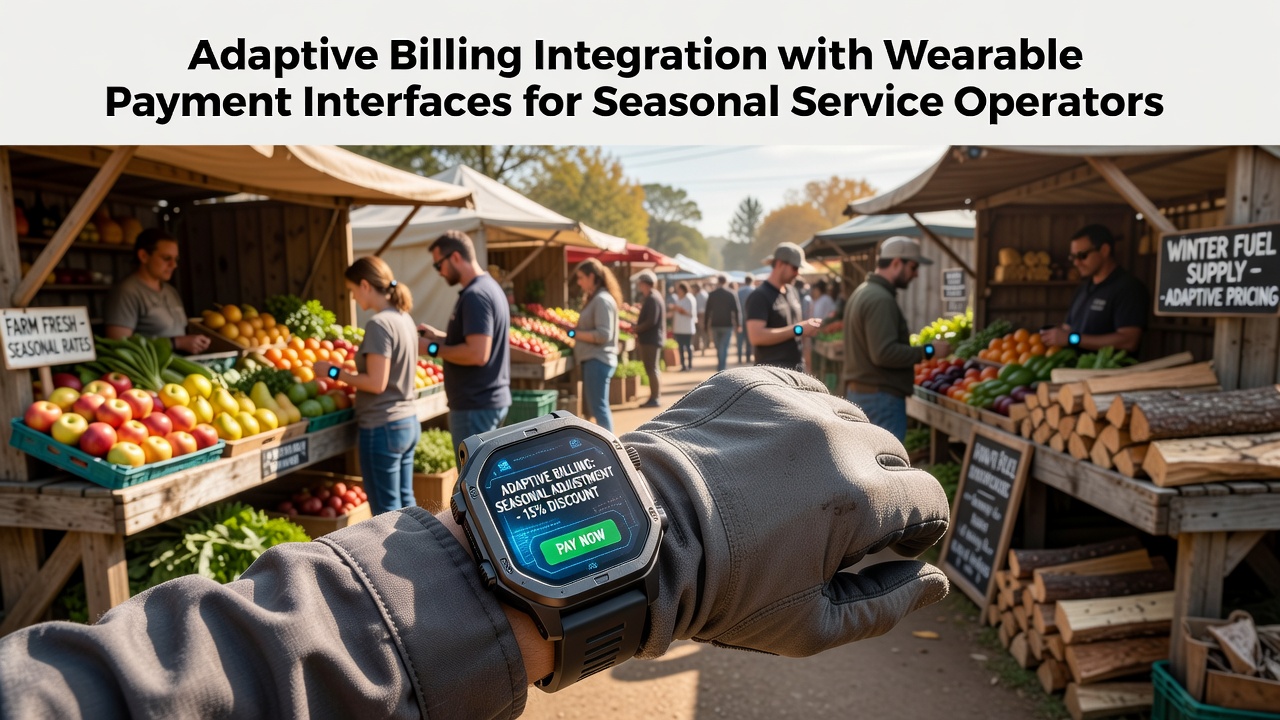
Seasonal service operators manage fluctuating demand across months, and adaptive billing systems adjust charges based on usage patterns, weather conditions, and …
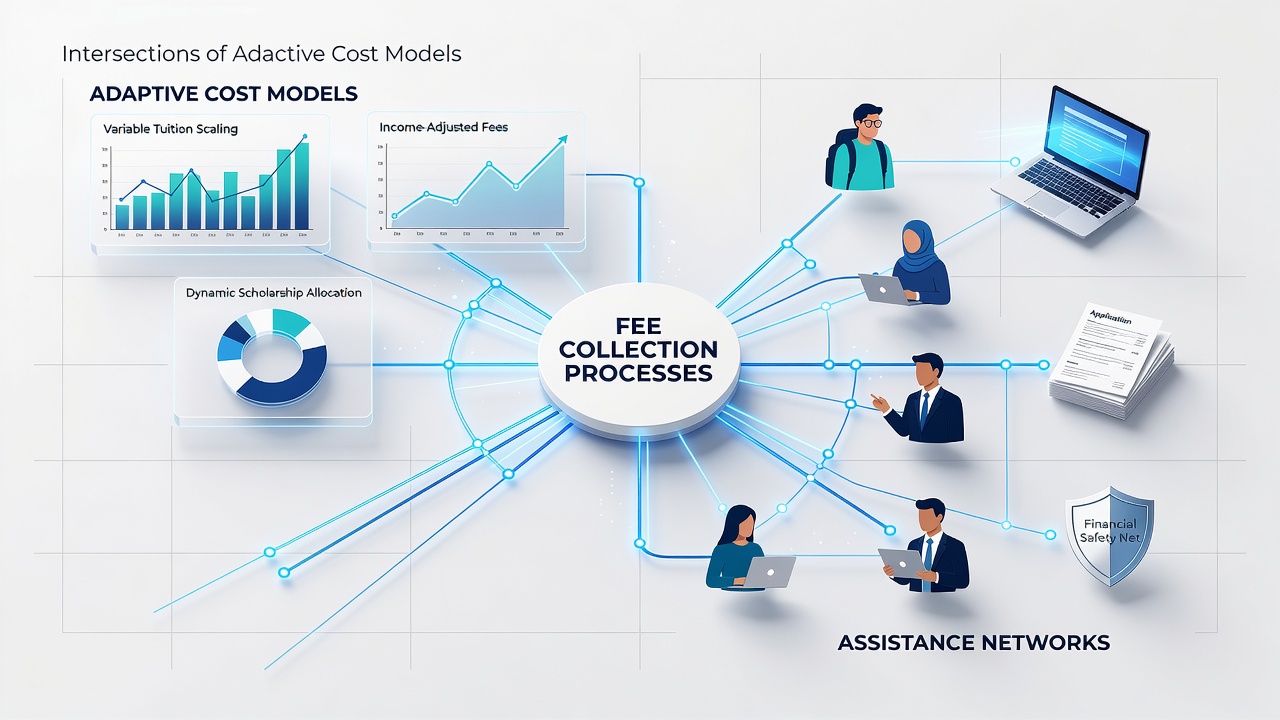
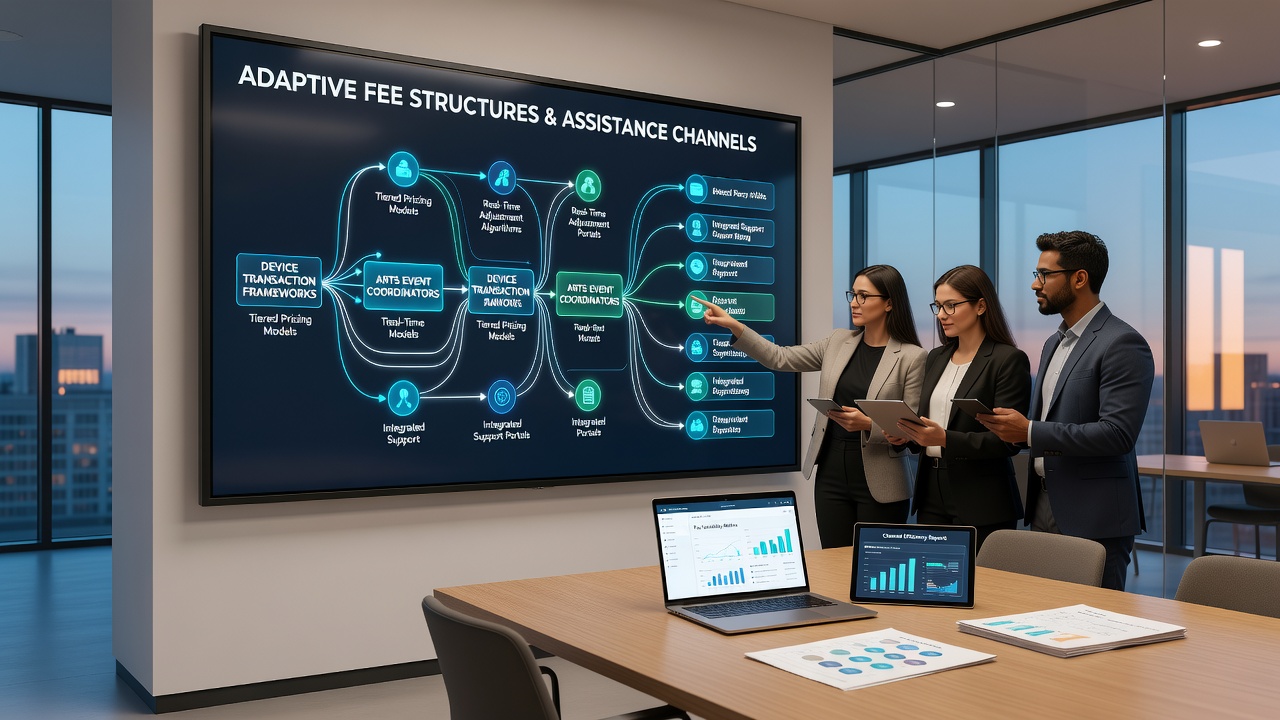
Universities have started blending adaptive cost models with assistance networks to handle student fee collection more effectively, and data from multiple …
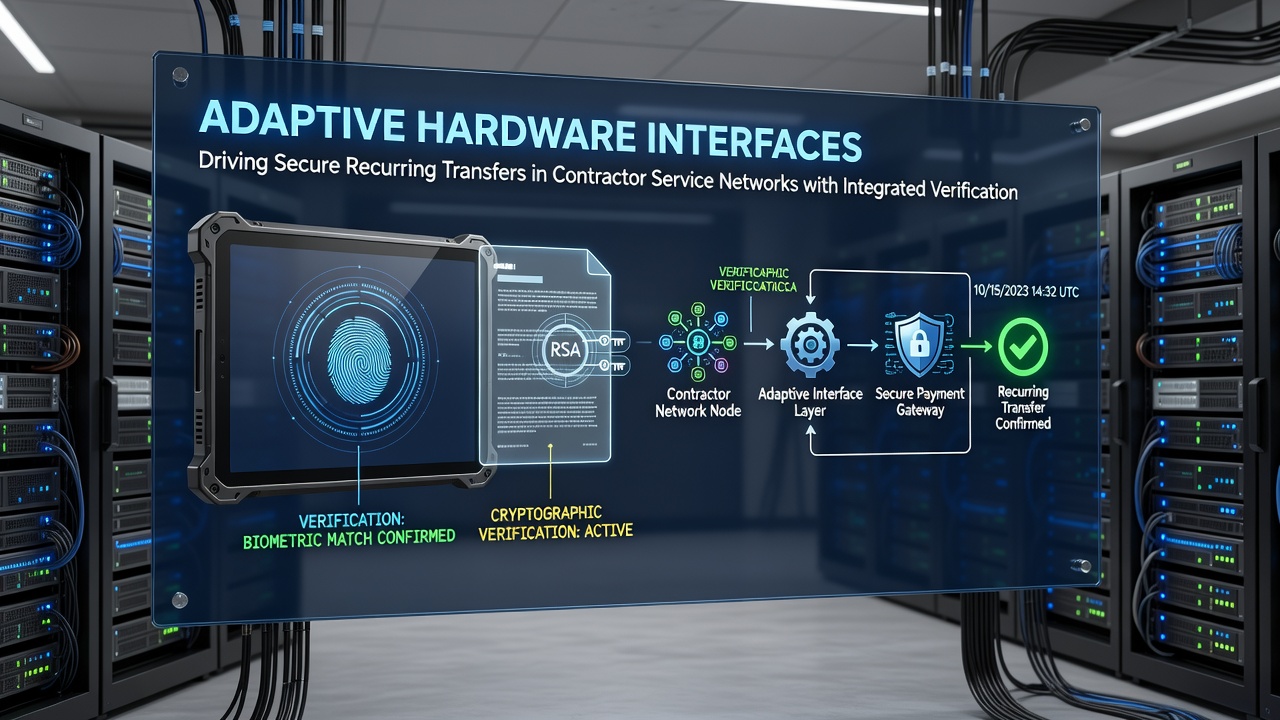
Contractor service networks rely on adaptive hardware interfaces to handle secure recurring transfers, and these systems integrate verification steps that adapt …
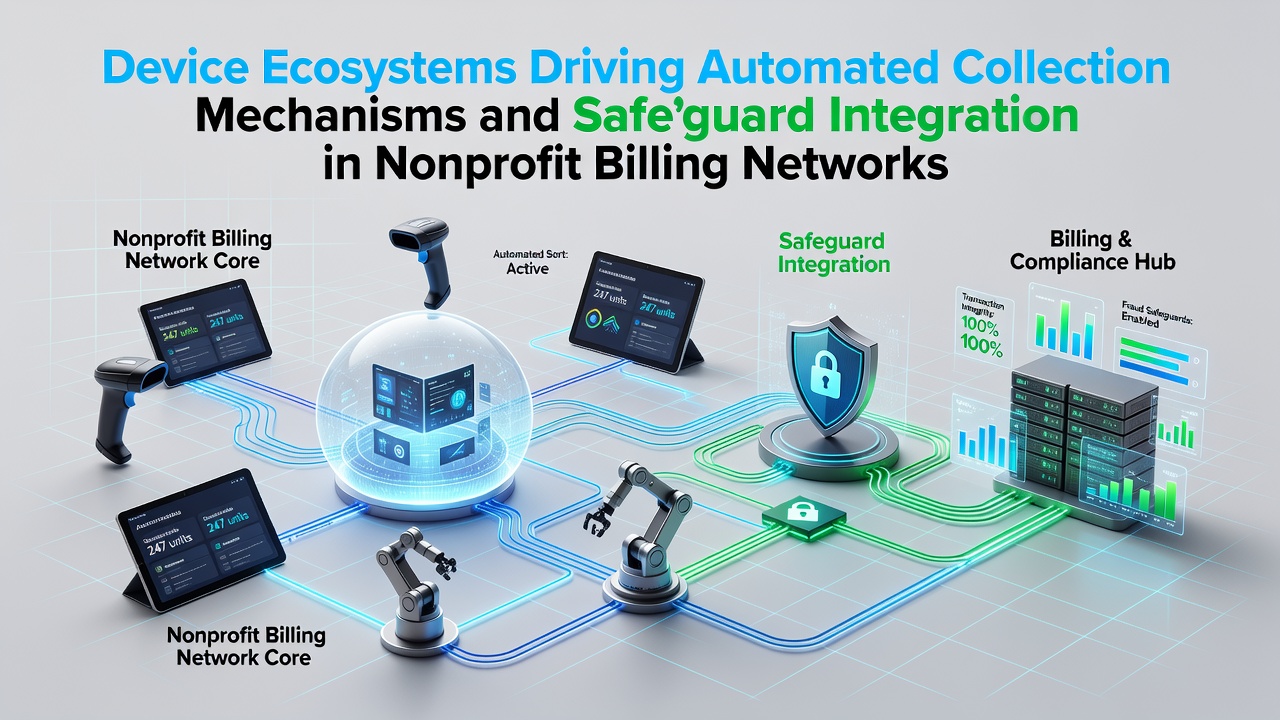
Device ecosystems have expanded rapidly in nonprofit billing environments where interconnected hardware ranging from mobile terminals and smart kiosks to …
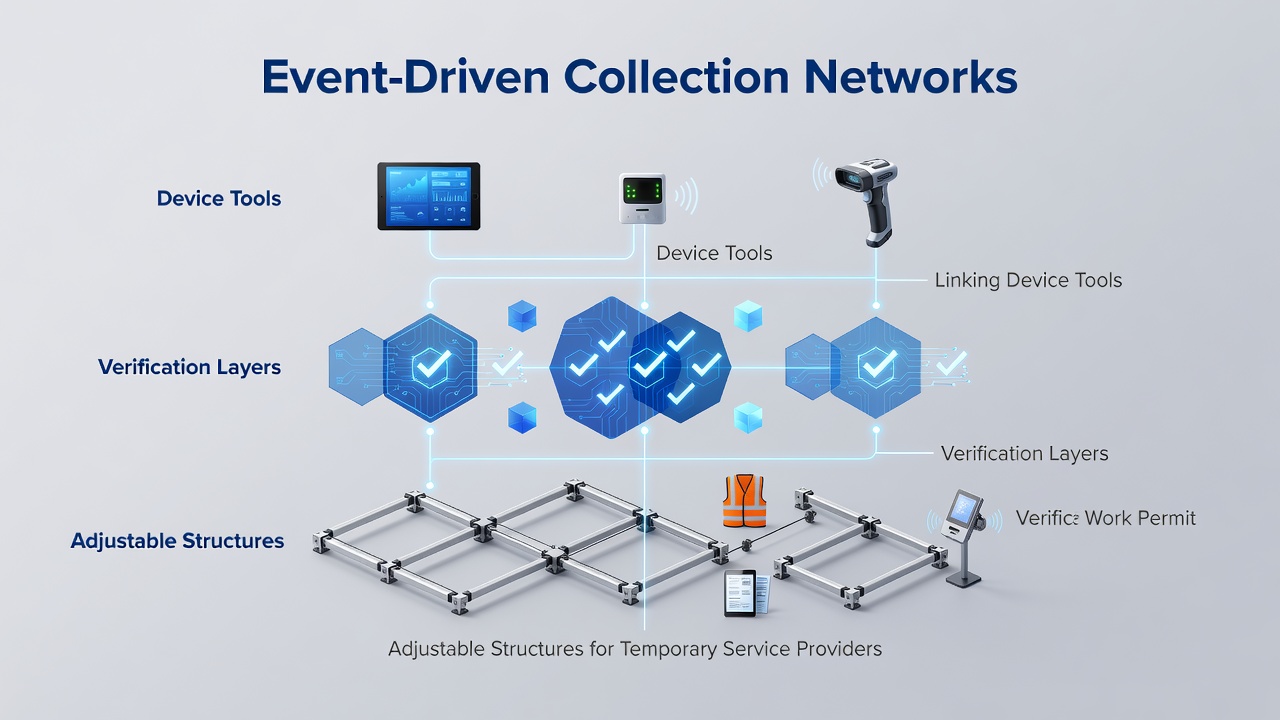
Event-driven collection networks operate by triggering payment processes in response to specific occurrences rather than fixed schedules, and this approach …
Arts event coordinators handle ticket sales, merchandise purchases, and vendor payments through device-based systems that process transactions on-site at …
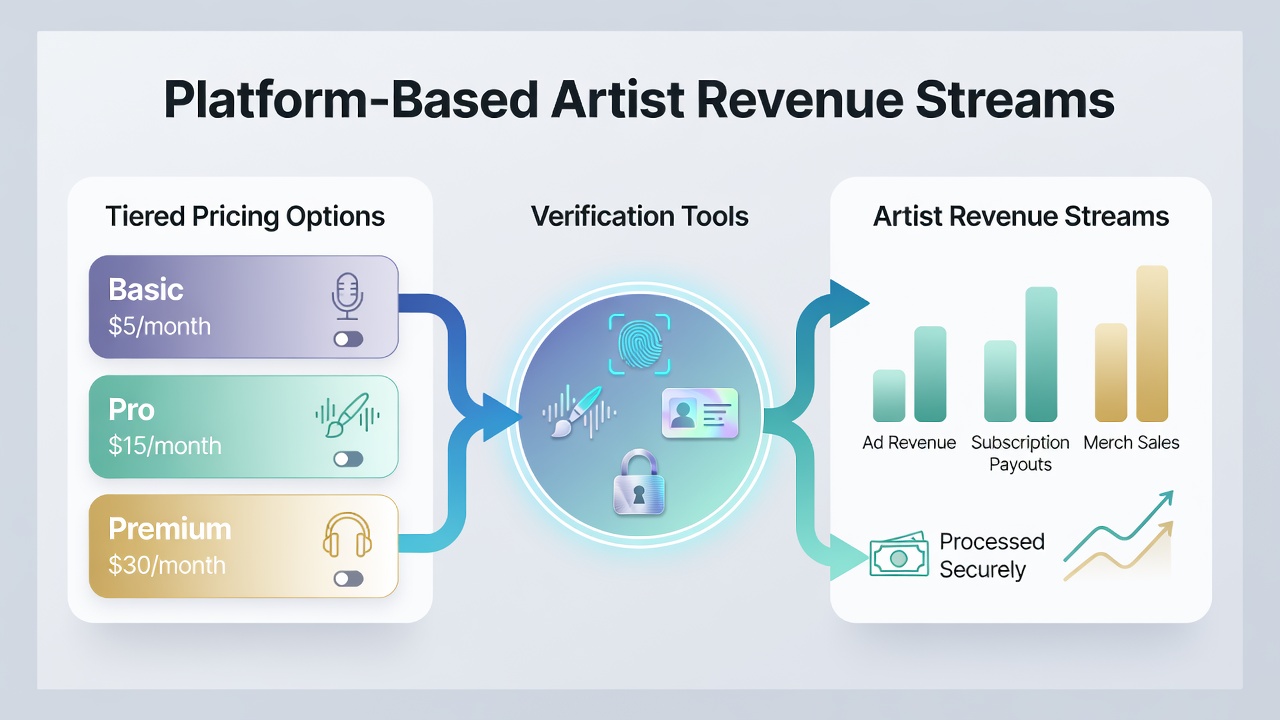
Platform-based artist revenue streams have evolved through the integration of tiered pricing structures with verification tools, allowing creators to segment …
Authorization flows in wearable interfaces connect users to tiered compensation structures that support independent creative networks through secure token …
Nonprofit organizations rely on digital platforms that handle donations at varying rates, where device-based collection tools capture contributions through …
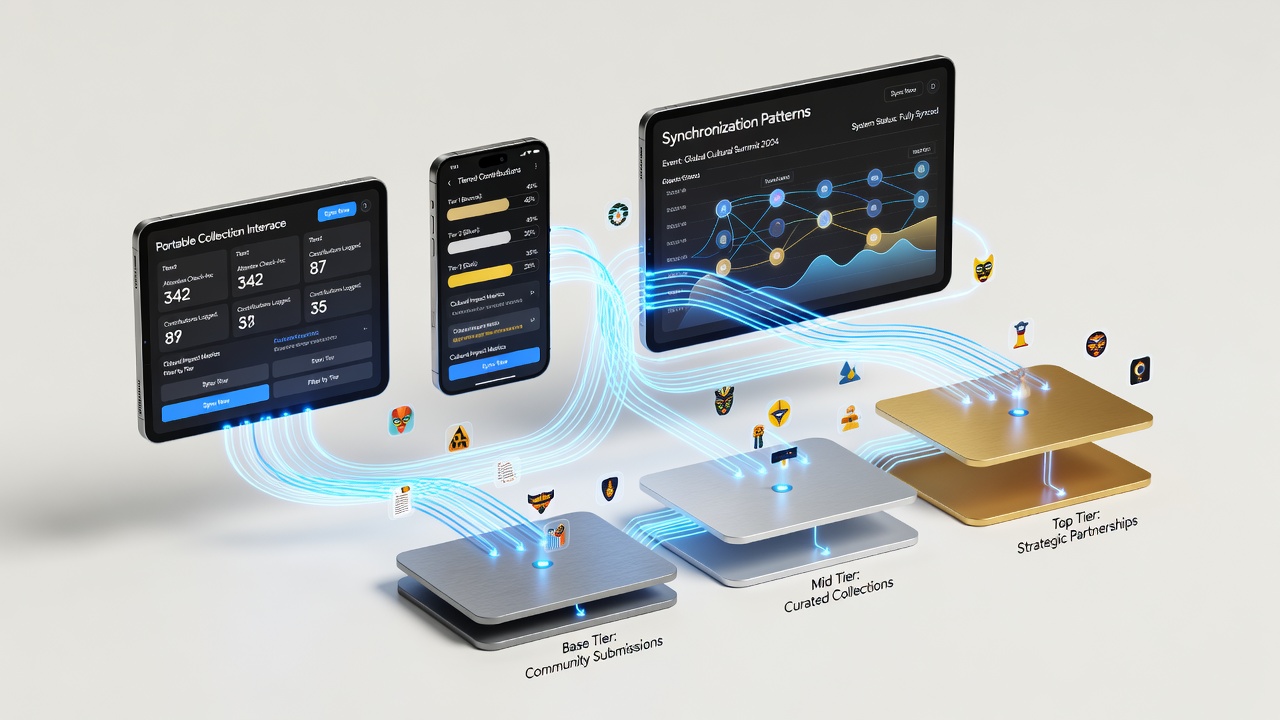
Cultural event organizers manage complex flows of contributions through portable collection interfaces that connect directly to tiered systems, and these setups …
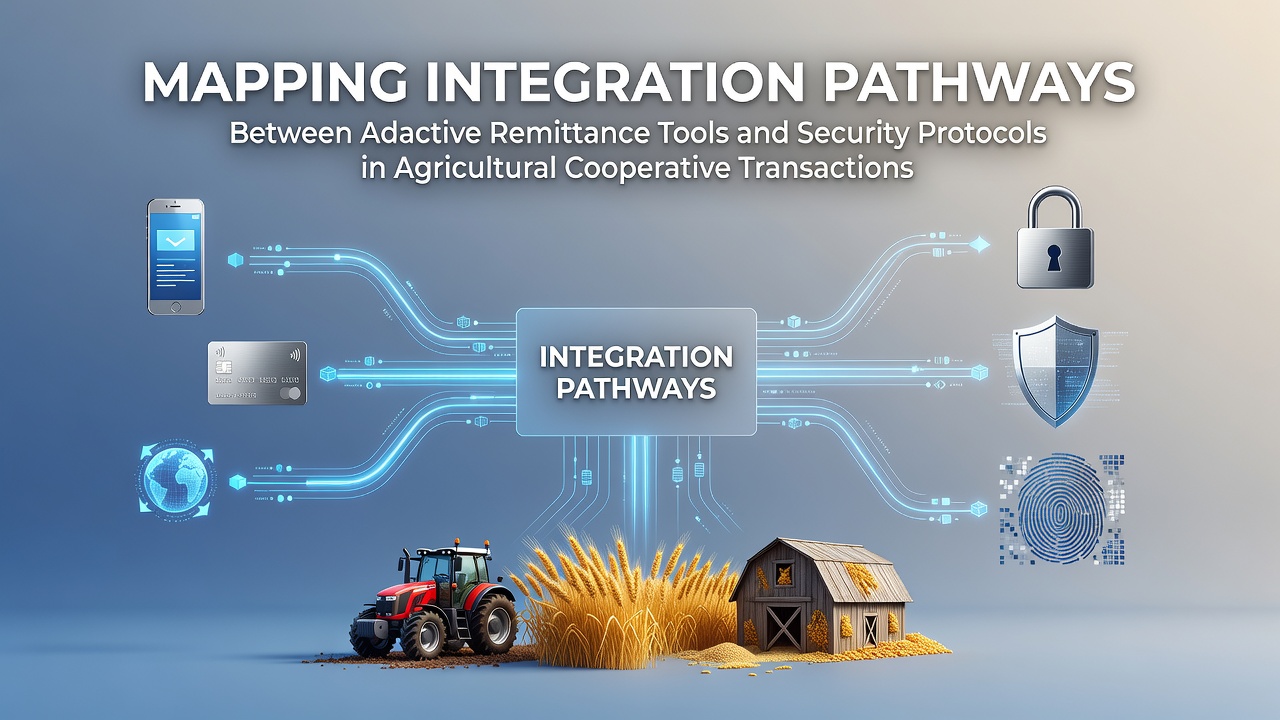
Agricultural cooperatives manage complex transaction flows where adaptive remittance tools adjust payment schedules based on crop cycles, market prices, and …
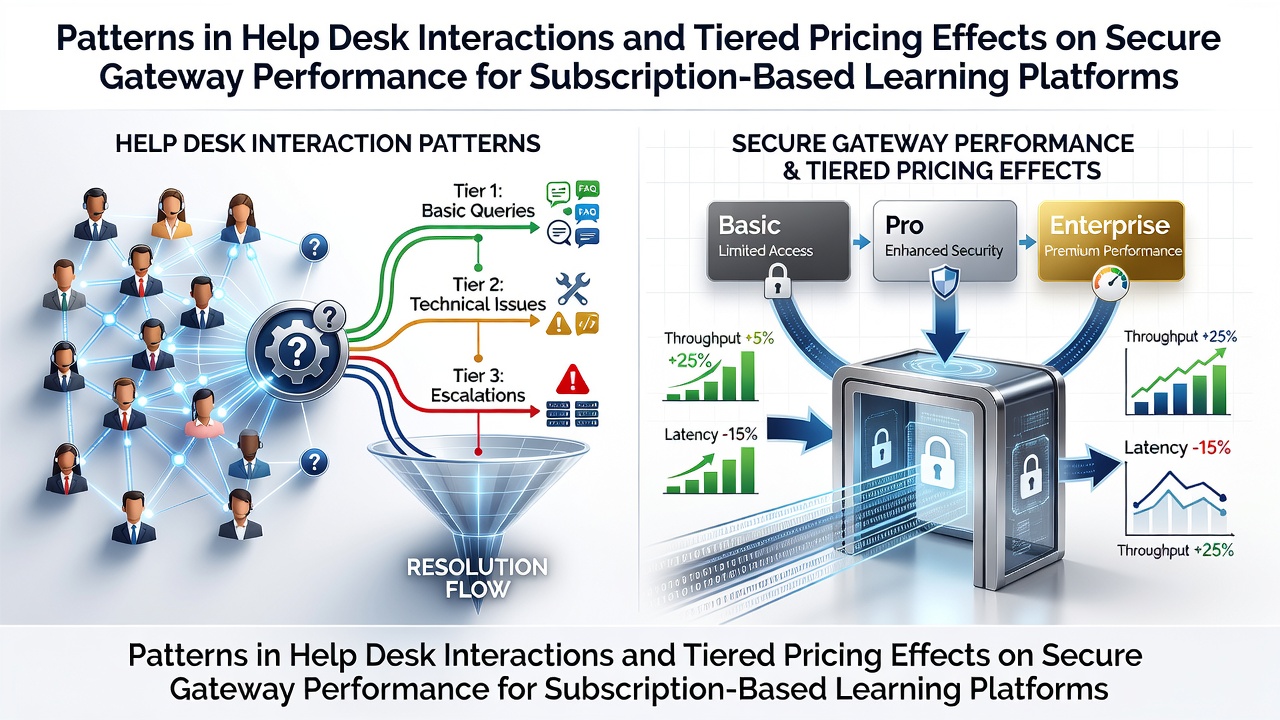
Subscription-based learning platforms have expanded rapidly since the early 2020s, and researchers tracking user support data in July 2026 report distinct …
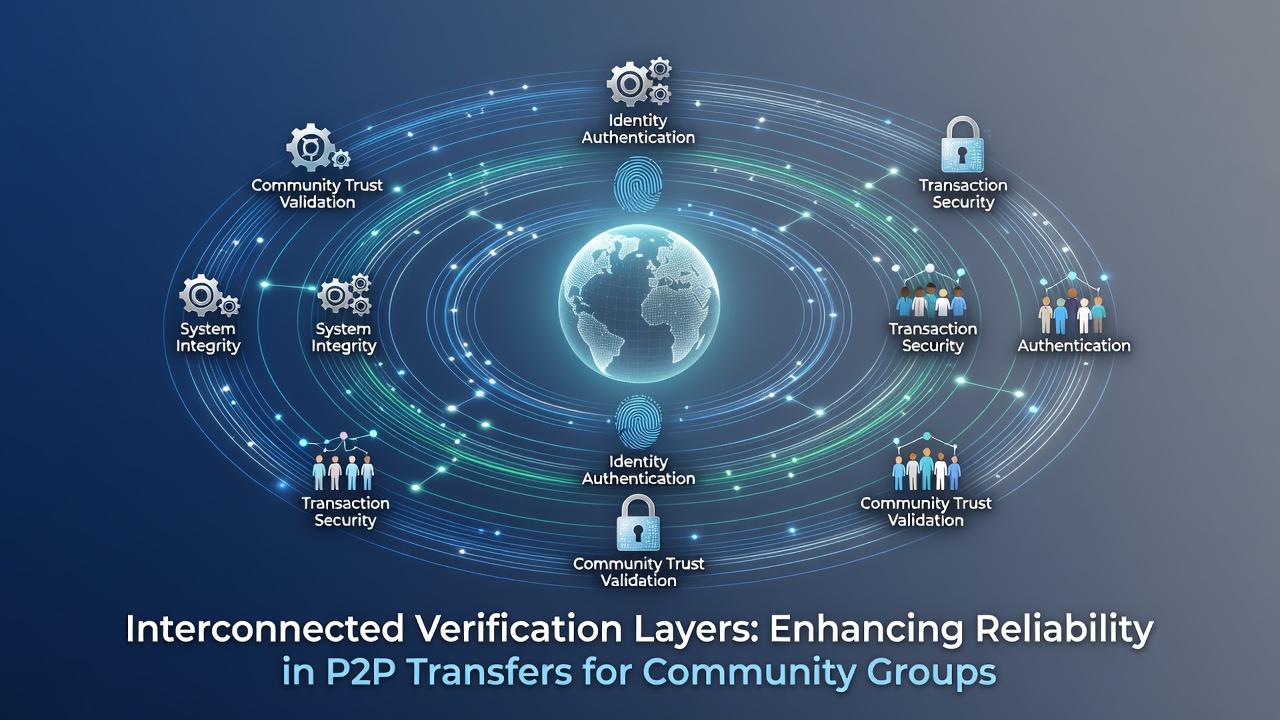
Community groups often rely on peer-to-peer transfer systems to manage shared expenses, collect dues, and distribute funds among members, and these networks …
Subscription-based service models rely on recurring revenue streams that demand precise coordination between financial settlements and physical or digital …
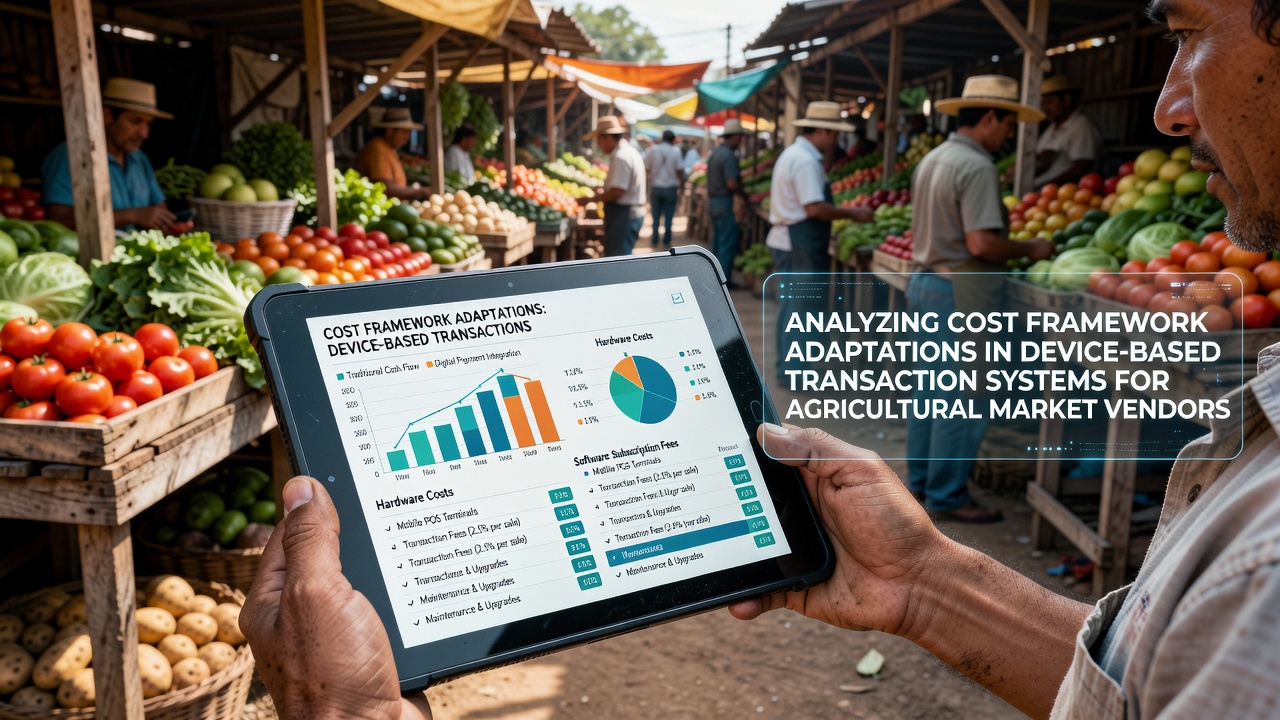
Agricultural market vendors rely on device-based transaction systems to handle sales of produce, livestock feed, and related goods in real time, and these …
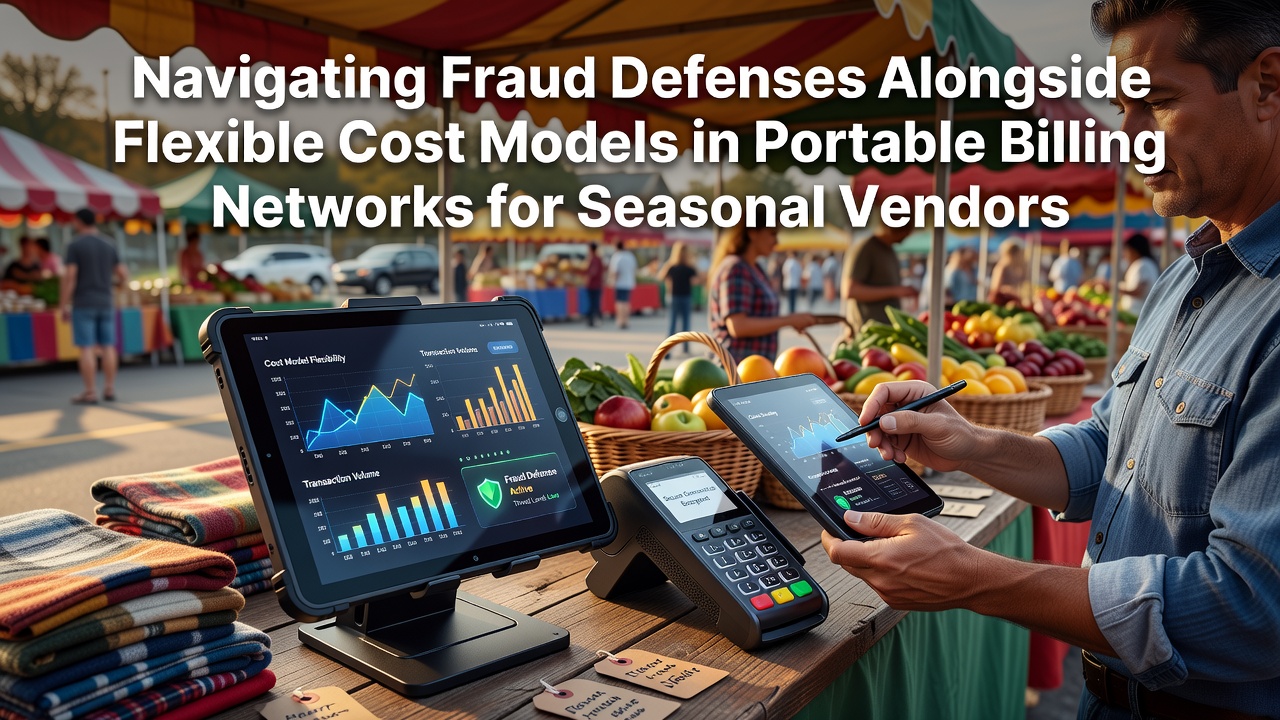
Seasonal vendors operate in environments where transaction volumes fluctuate sharply with weather patterns, holidays, and local events, which creates demand for …
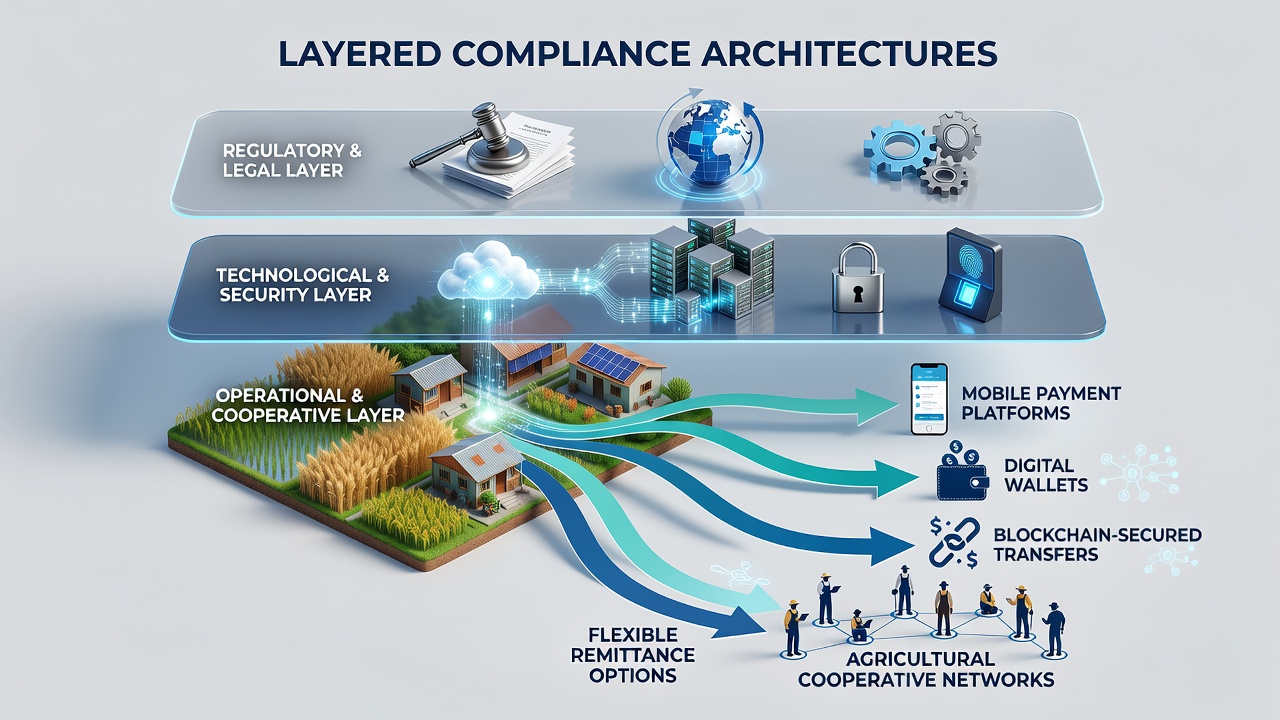
Agricultural cooperative networks rely on structured payment frameworks that balance regulatory requirements with member needs for varied transfer methods, and …
Portable technology advances have reshaped how local artisan markets handle transactions, as handheld devices now support real-time inventory tracking alongside …
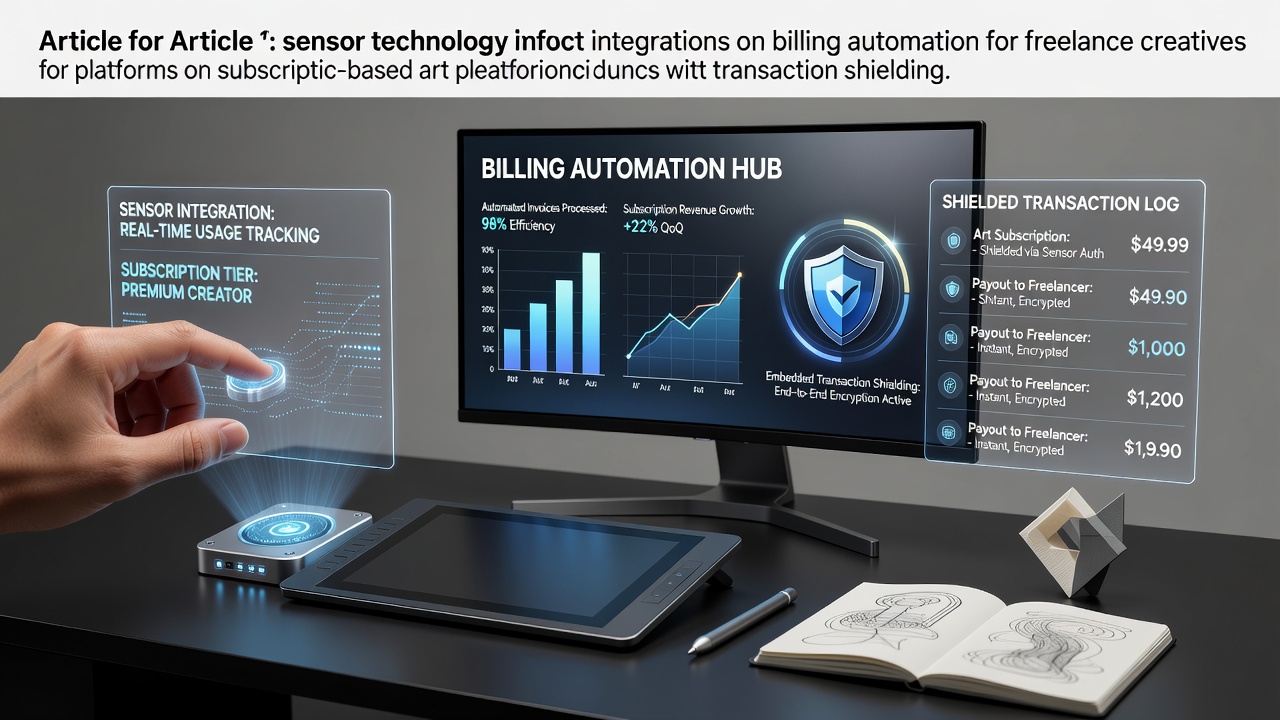
Freelance creatives who run subscription-based art platforms have started incorporating sensor technologies that track usage patterns and environmental factors …
Independent contractors handle fluctuating service fees across multiple platforms, and synchronization between device ecosystems and adaptive remittance …
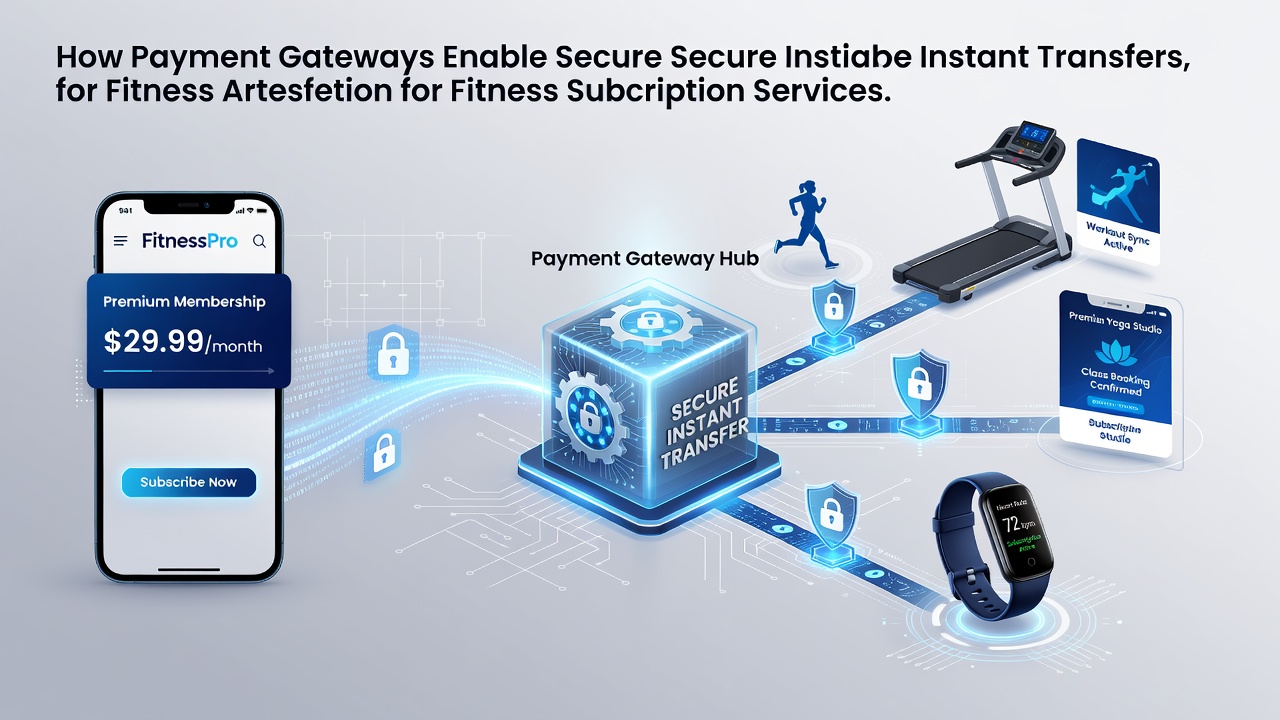
Payment gateways process recurring billing for fitness services by connecting merchant accounts with banking networks, and they authorize charges while …
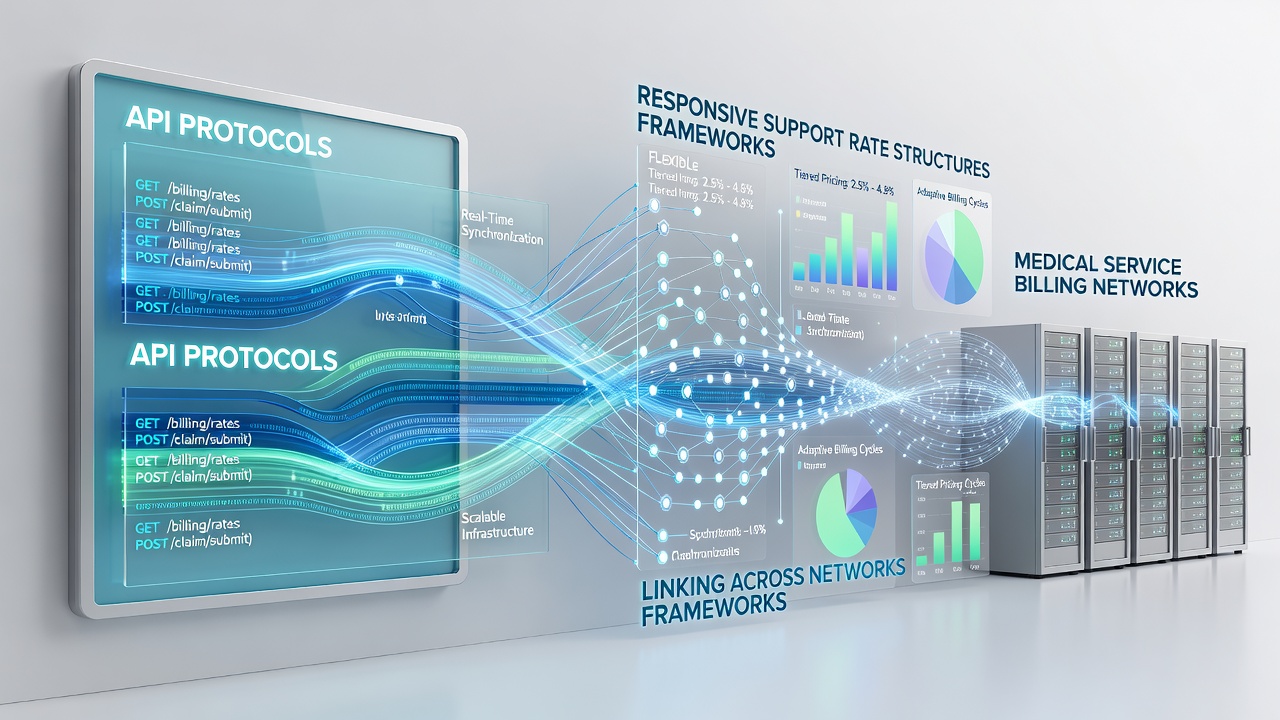
Medical service billing networks have grown more complex as providers handle multiple payers, varying reimbursement rules, and real-time claims processing …
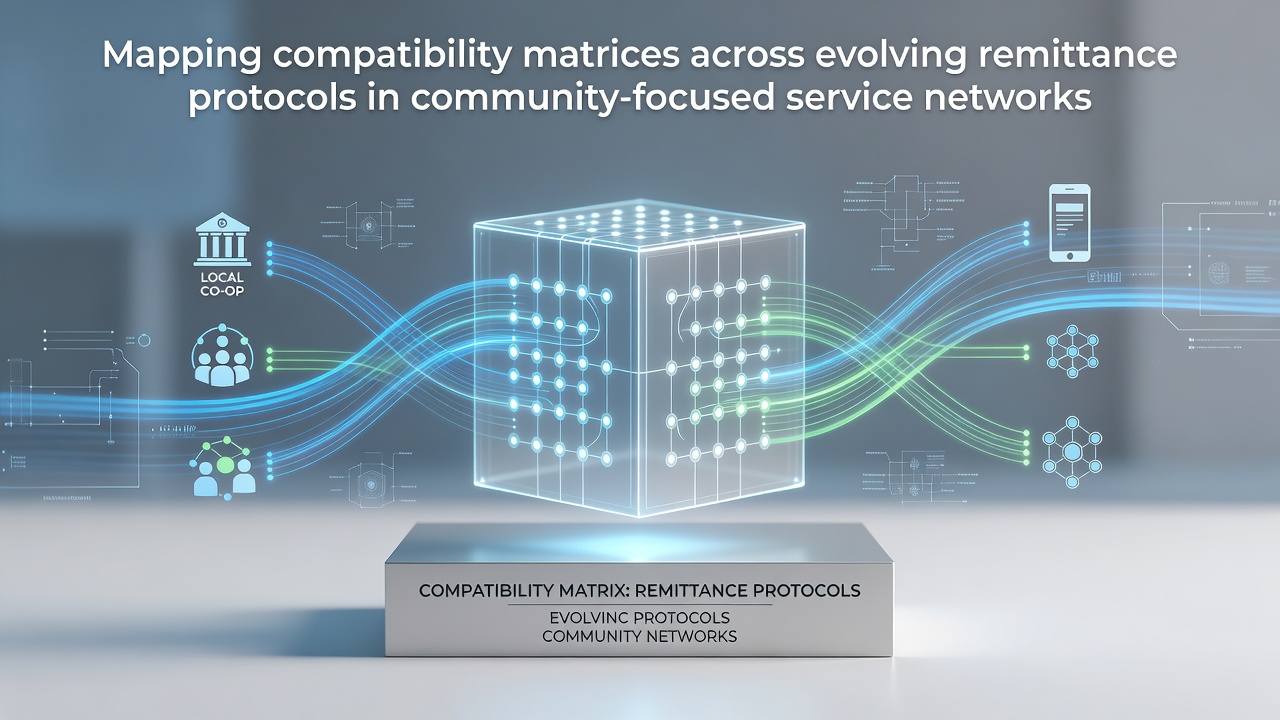
Community-focused service networks rely on remittance protocols that transfer funds between local providers, cooperatives, and residents, and observers note …
Payment systems have evolved rapidly over the past decade as consumers and businesses seek faster transaction methods that reduce wait times at checkout, and …
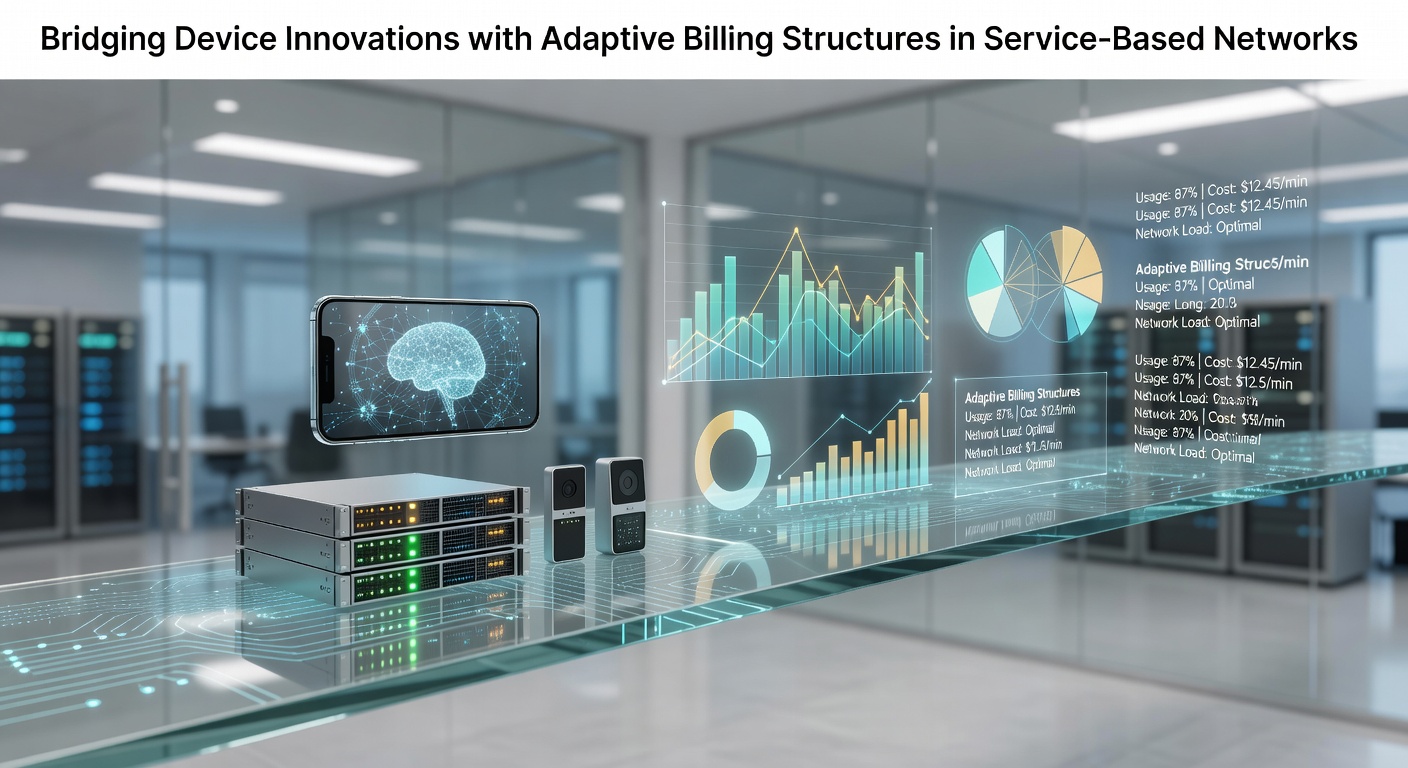
Service-based networks now integrate device innovations with billing systems that adjust in real time to usage patterns and network demands, and this …
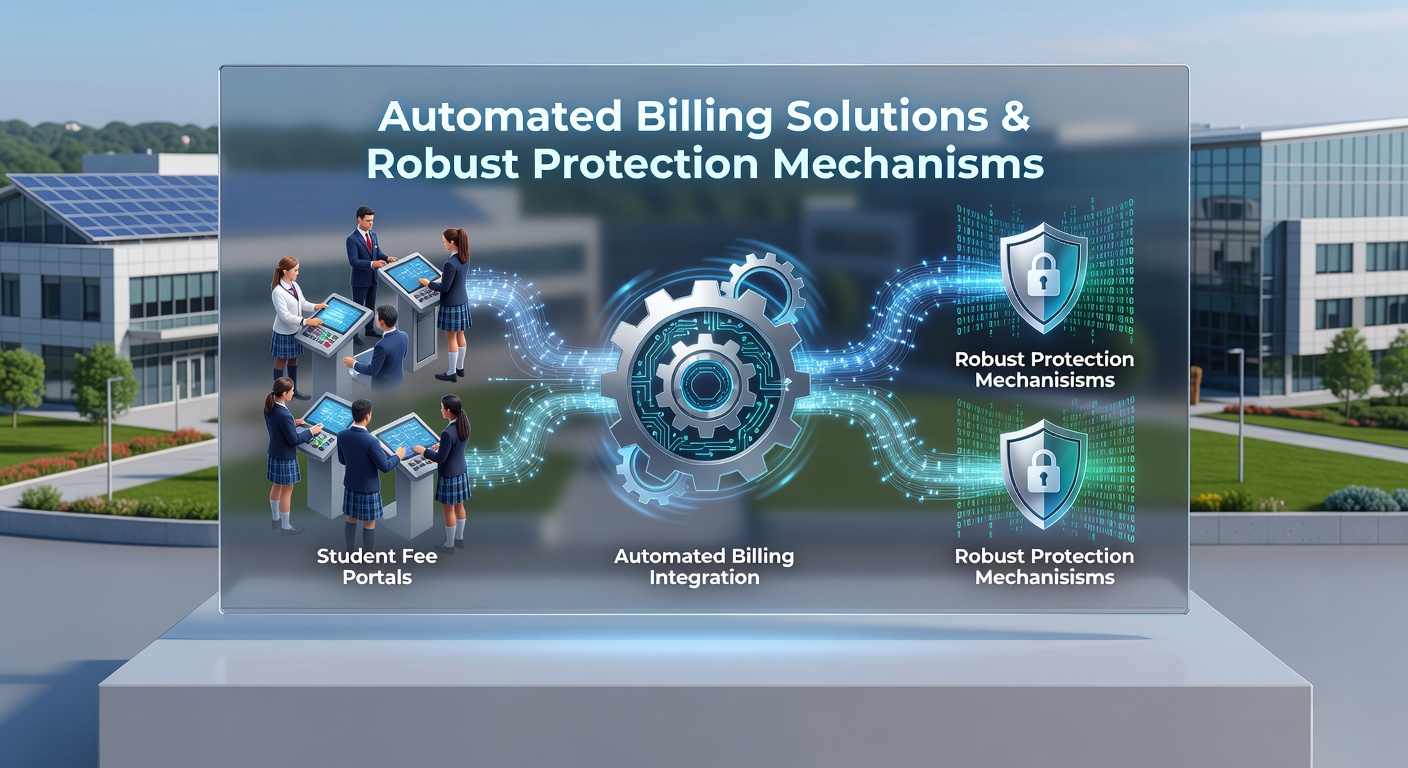
Educational institutions face ongoing demands to streamline student fee collection while safeguarding sensitive financial data, and automated billing solutions …
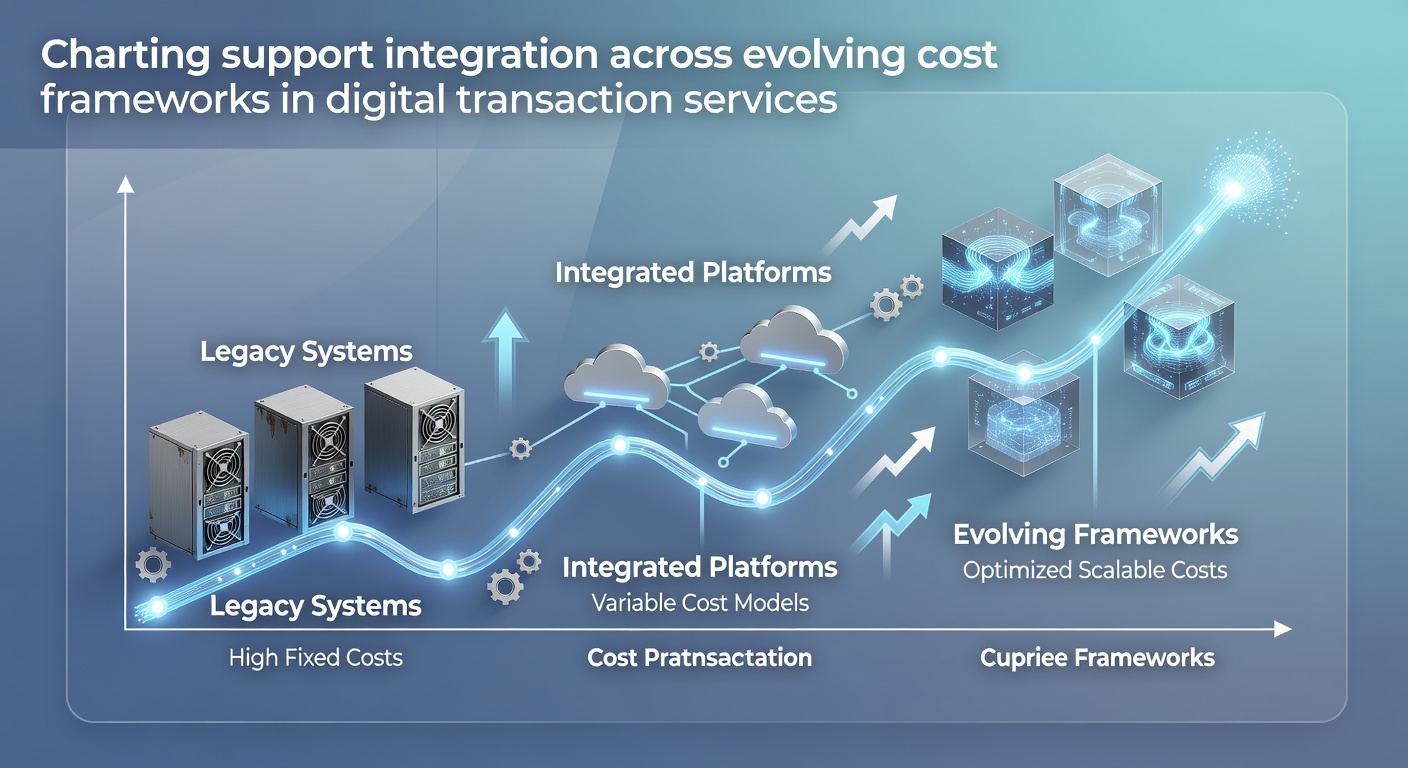
Support teams in digital transaction services now coordinate closely with cost frameworks that shift based on transaction volume, regulatory updates, and …
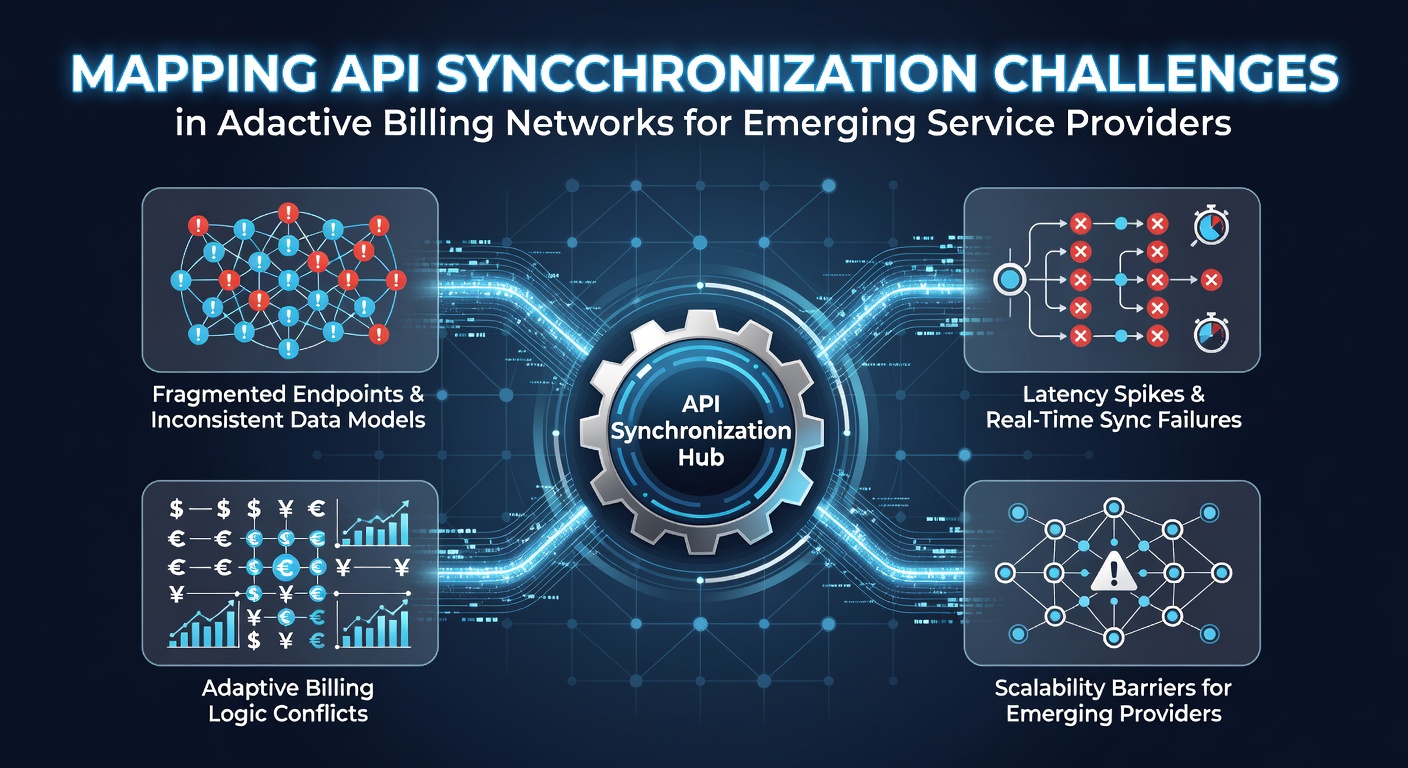
Emerging service providers encounter distinct technical obstacles when they attempt to maintain consistent data across distributed billing platforms that rely …
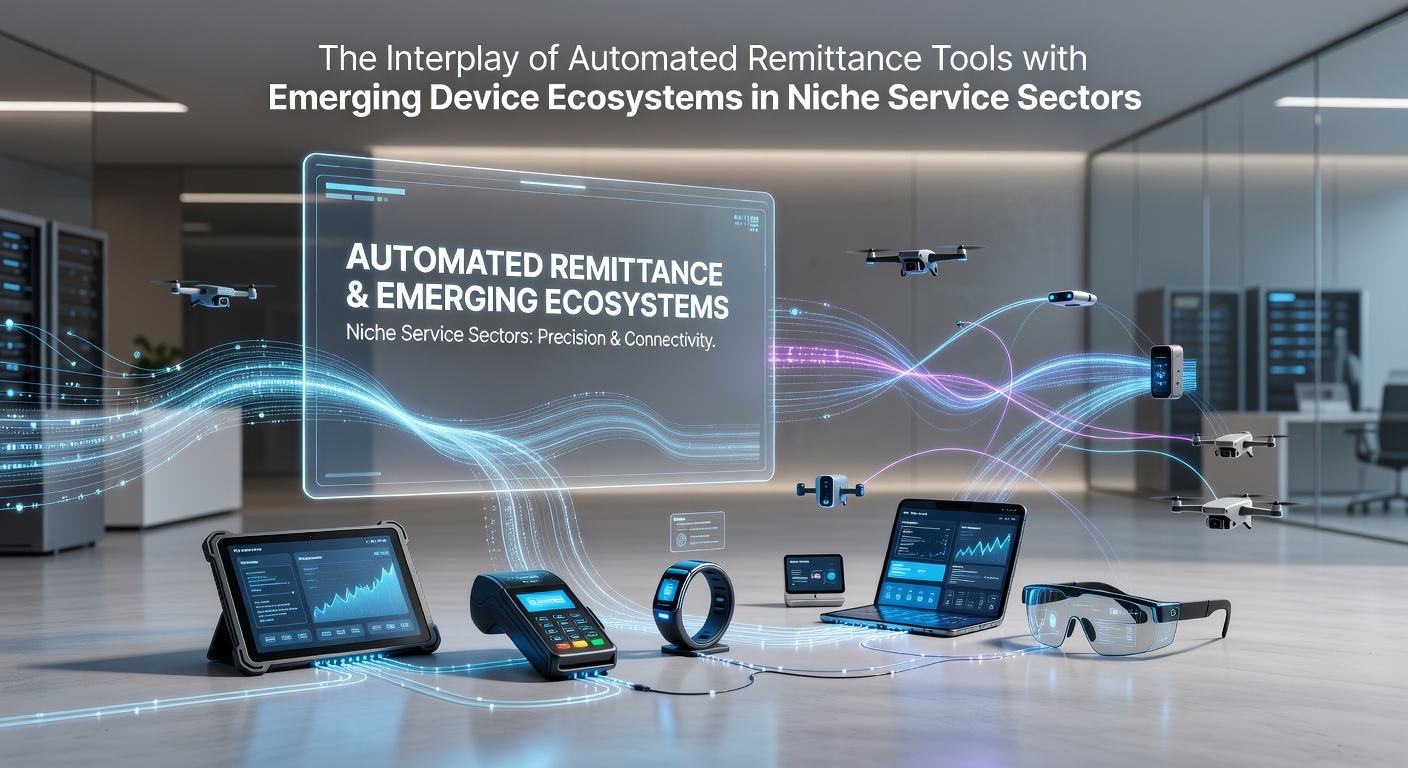
Automated remittance tools have evolved to process transfers based on predefined triggers from connected hardware, while emerging device ecosystems supply the …
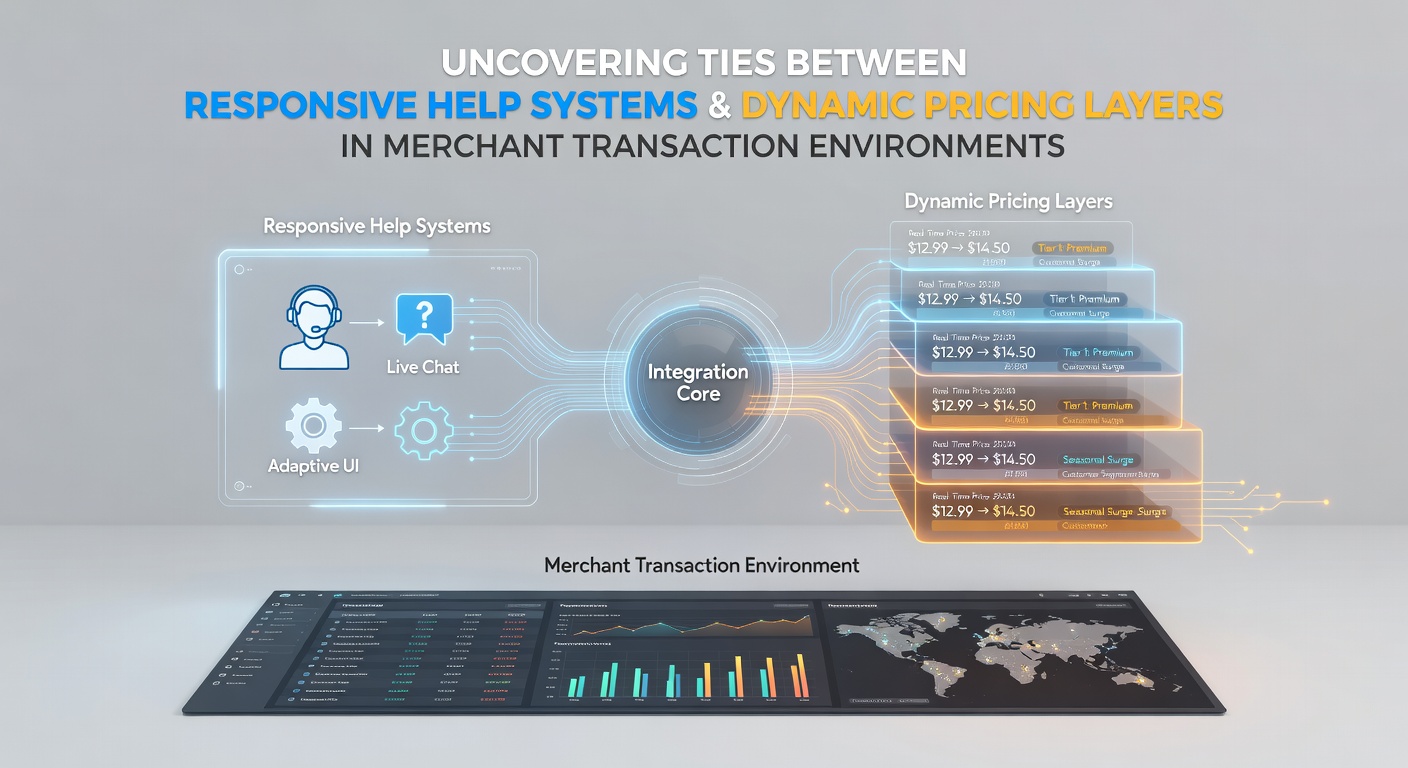
Merchant transaction environments rely on interconnected components where responsive help systems interact directly with dynamic pricing layers to shape fee …
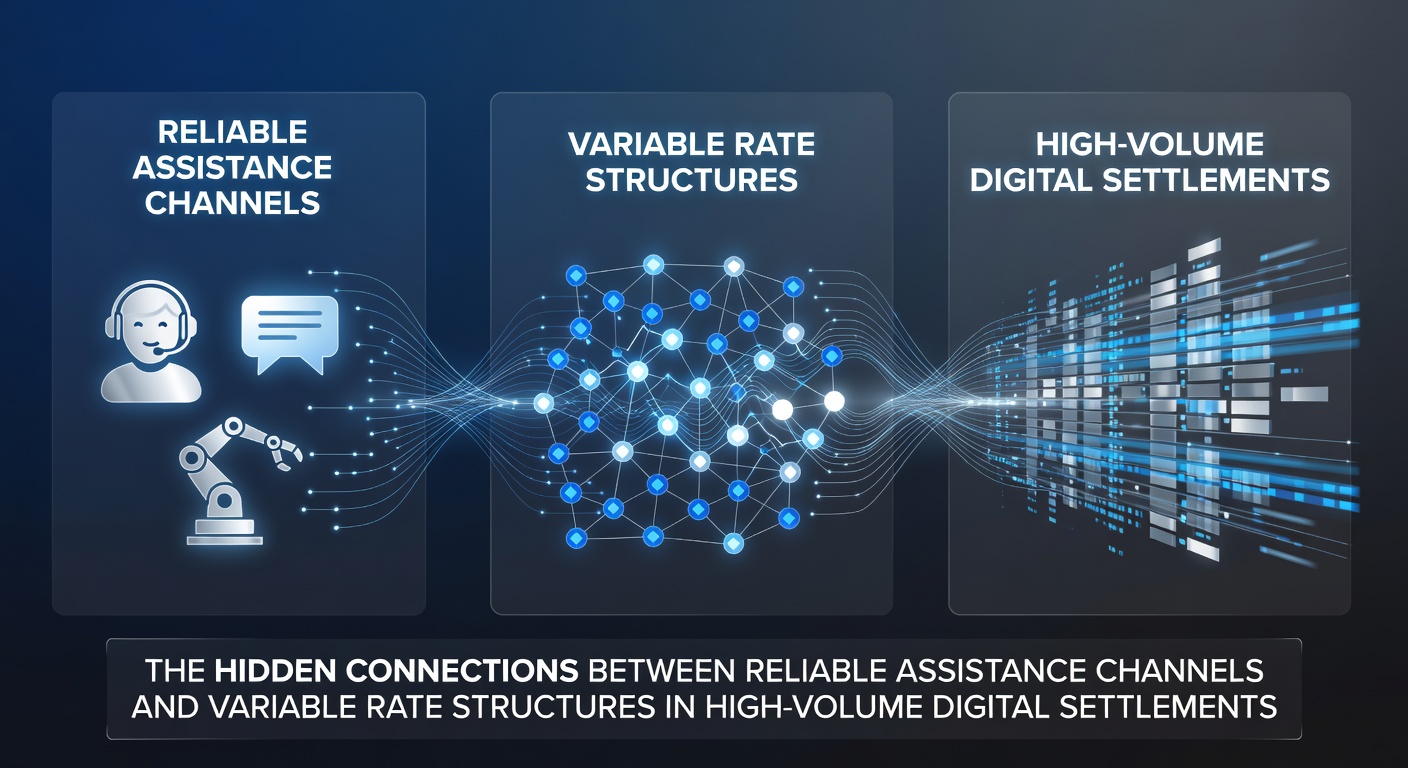
High-volume digital settlements rely on intricate networks where support mechanisms intersect with pricing models in ways that shape transaction efficiency. …
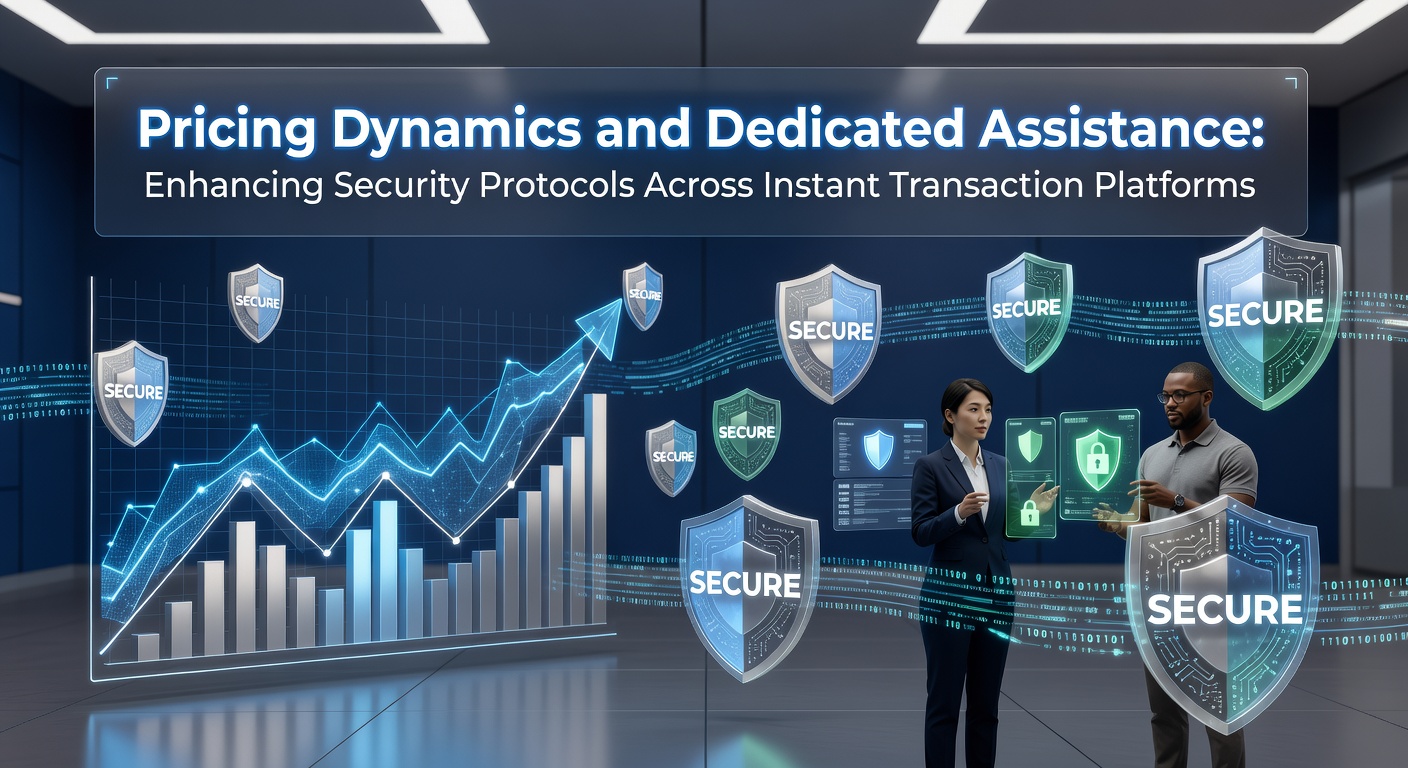
Instant transaction platforms operate under pricing structures that shift according to transaction volume, risk profiles, and processing speeds while dedicated …
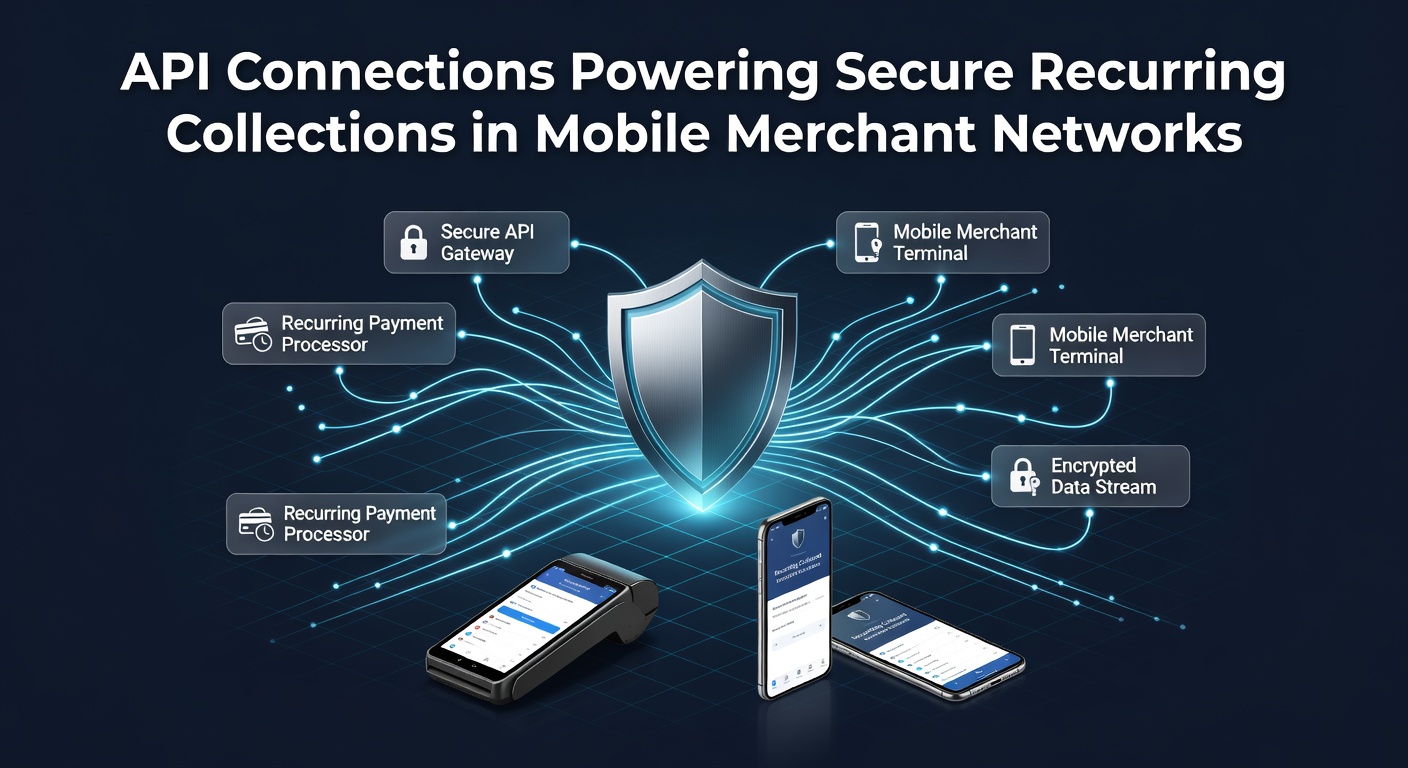
Merchants operating in mobile-first environments rely on application programming interfaces to handle recurring collections with precision and layered …
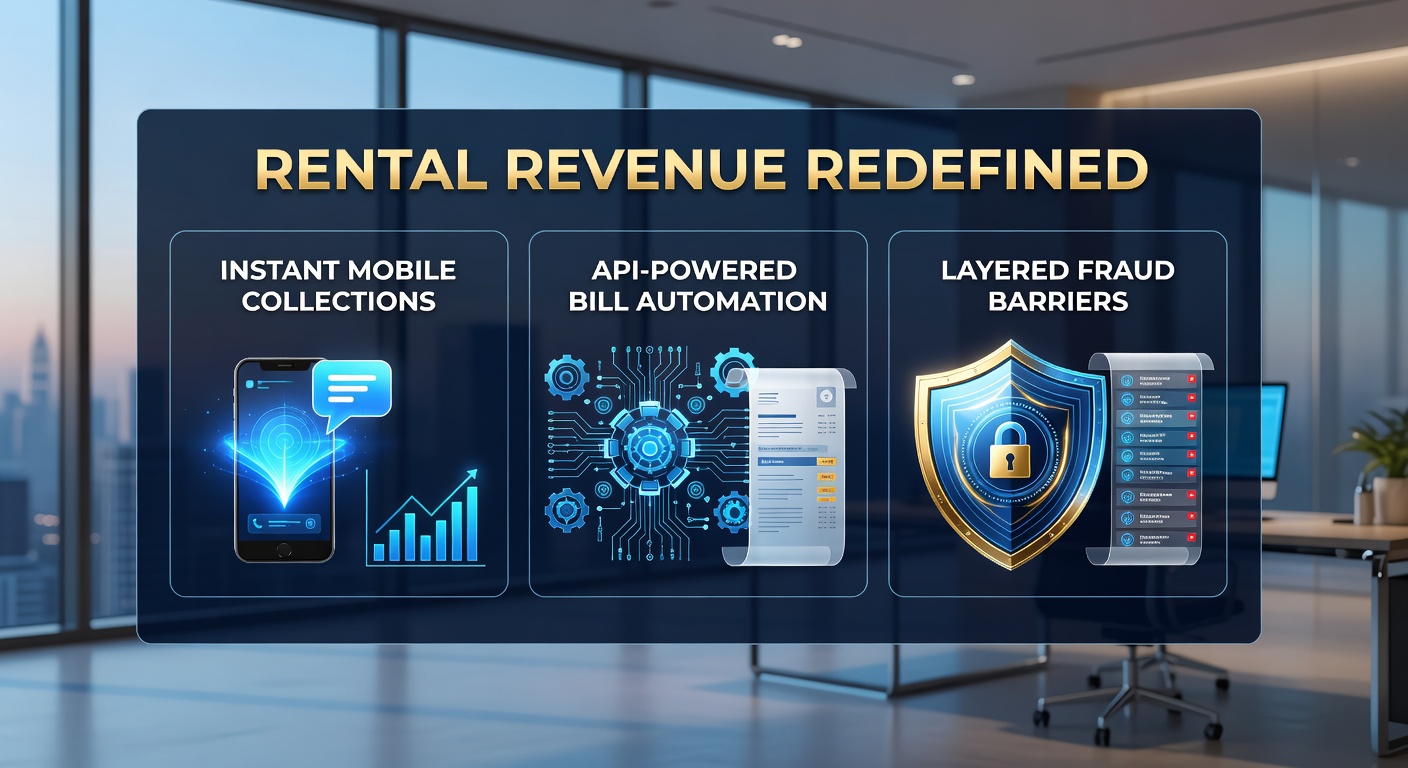
Property owners once relied on checks dropped in mailboxes or awkward door-to-door collections, but that's changed fast; now instant mobile collections let …
Small-scale sellers, from street vendors to online crafters, navigate a payment landscape cluttered with high fees, slow processing, and security headaches; …
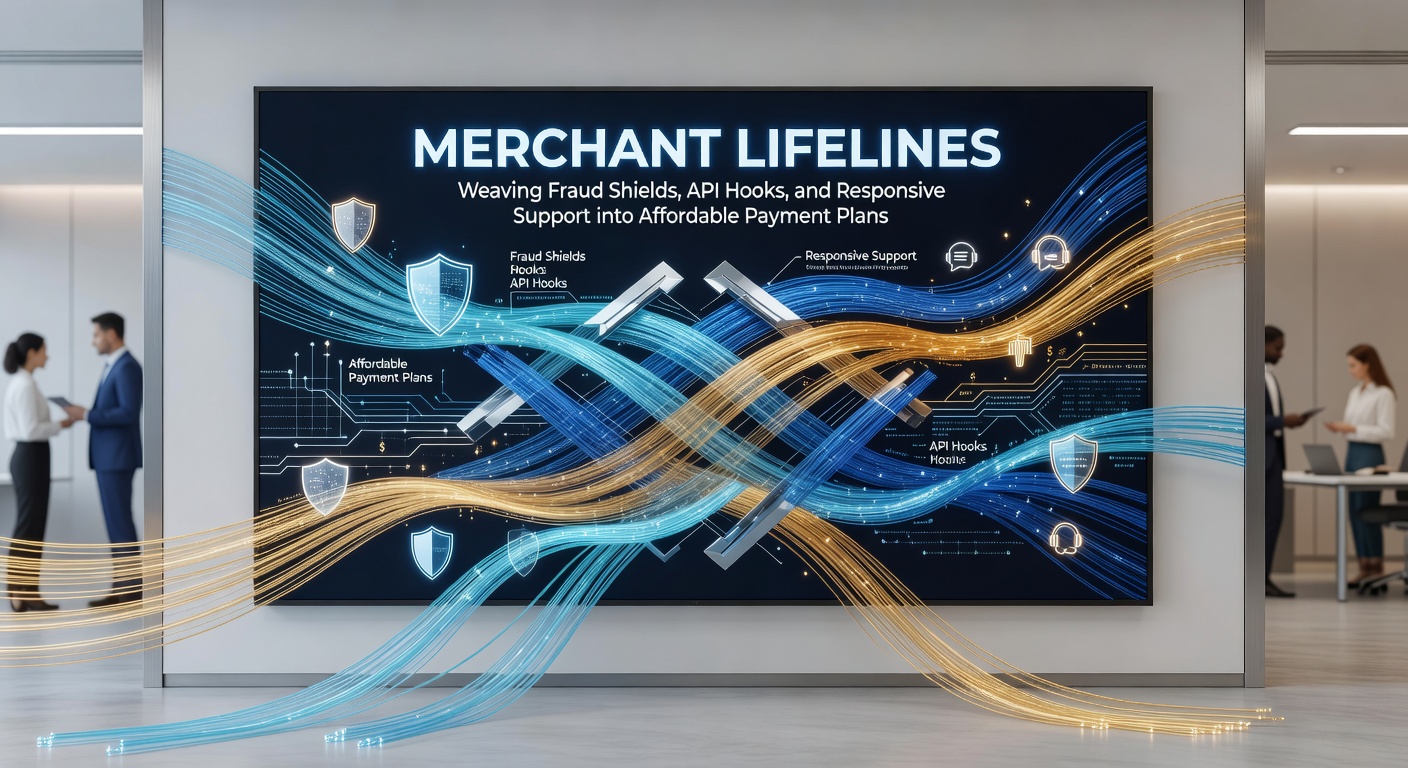
Merchants navigating the fast-paced world of digital transactions often rely on what experts call \"merchant lifelines,\" bundled solutions that integrate …
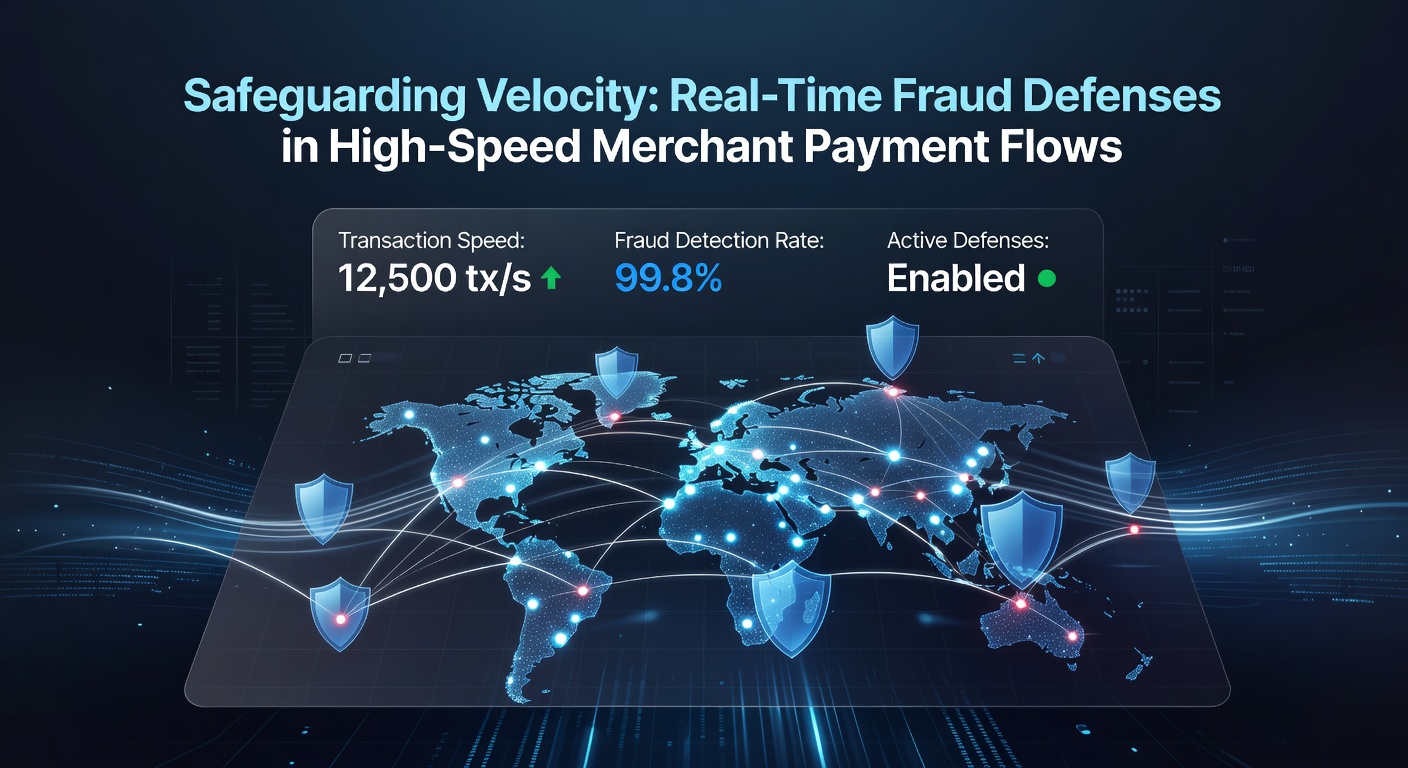
High-speed merchant payment flows have transformed retail landscapes worldwide, enabling transactions that clear in seconds rather than days; networks like the …
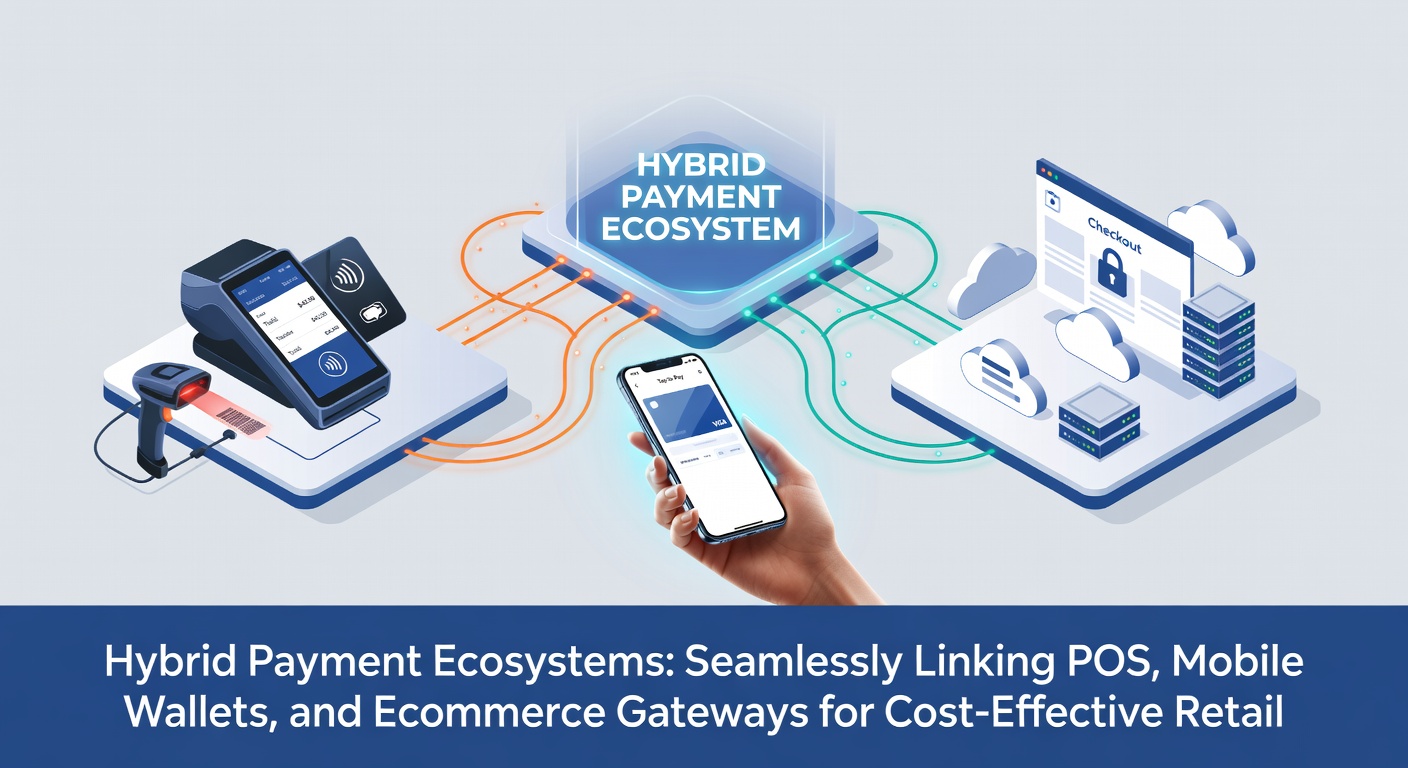
Retailers face a landscape where customers hop effortlessly between in-store purchases, app-based orders, and online carts, and hybrid payment ecosystems bridge …